


Lincoln's Property Maintenance
For Landlords.
Lost rental income while a property sits empty? We turn voids around in days, not weeks. One contractor for the whole job. Photo evidence in your inbox. No surprises on the invoice.
Sound Familiar?
Tired of This?
One team. Everything sorted.
Trusted by Lincoln's leading letting agents
The Agents Looking After Your Properties.










How It Works
How We'd Work Together.
Four steps from your first message to keys back in your hand.
Get in Touch
Call, WhatsApp, email, or fill in the quote form. Tell us about the property and what needs doing. We respond within 24 hours.
Property Visit
We come to the property, look it over, and put together a proper itemised quote. Free, no commitment until you say go.
Itemised Quote Back
Written, fixed quote within 24 to 72 hours. Clear scope, no vague estimates. The number you see is the number you pay.
Job Done
In house team on site. Photos sent direct to your inbox. Itemised invoice. Property handed back ready to relet.
What You Actually Want to Know
Three Questions Every Landlord Asks.
Q. What works can you do?
Every Trade.
One Team.
Cleaning, painting, flooring, gardening, repairs, clearance and damp surveys. All handled in house. One contractor for the whole job instead of three or four.
Q. Are you insured?
CHAS + £10M
Public Liability.
Fully insured and CHAS accredited. The paperwork your insurer and mortgage lender will ask for. All current, all available on request.
£10,000,000
Public Liability Cover
Q. How fast can you turn a void?
3 to 5 Days.
Most Voids.
Standard 1 to 2 bed void turnarounds (clean, paint, flooring check, garden tidy) take 3 to 5 working days. Urgent cases regularly accommodated within 48 hours.
What We Handle
Every Void. Every Trade.
The jobs that come up most for Lincoln landlords. All handled in house by our own team.
End of Tenancy Cleans
Deep cleans between tenancies. Kitchens, bathrooms, carpets and floors. Photo evidence on completion. From £300.
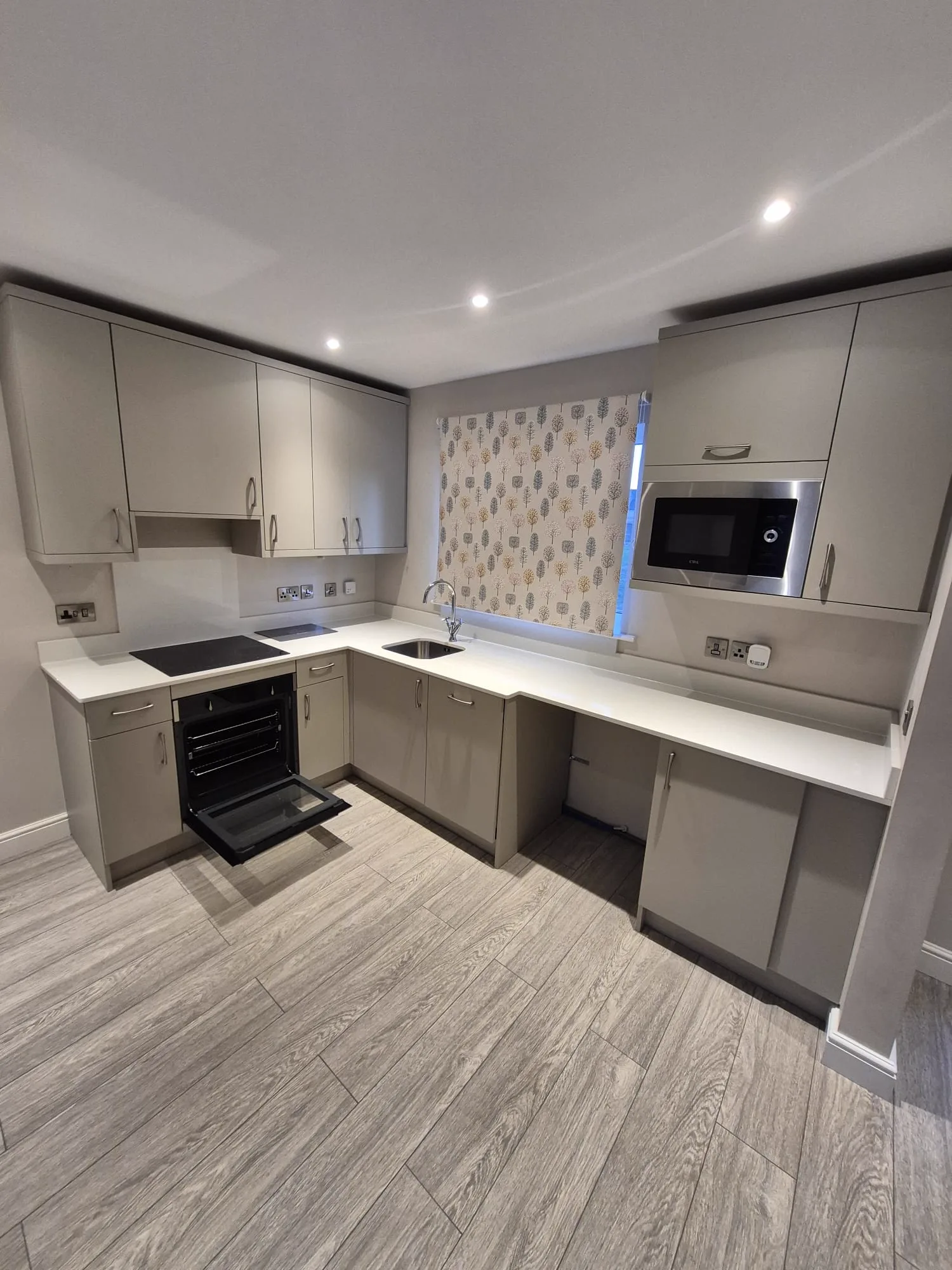
Painting & Decorating
Repaints, touch ups and stair walls between tenants. In house decorators handle the whole job from prep to finish.
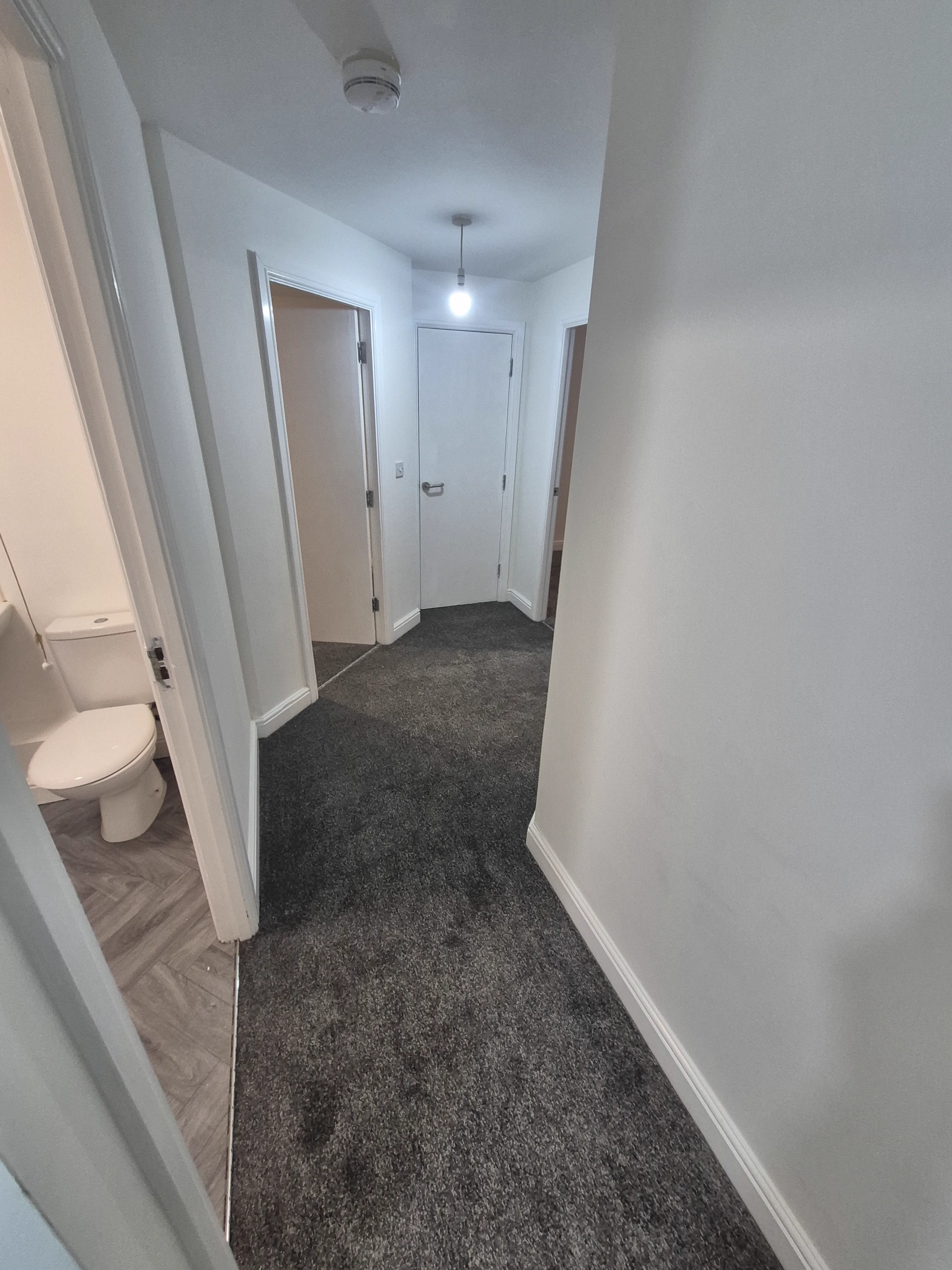
Carpet & Flooring
Supply and fit of carpet, LVT and laminate. Carried out in house by our own flooring team.
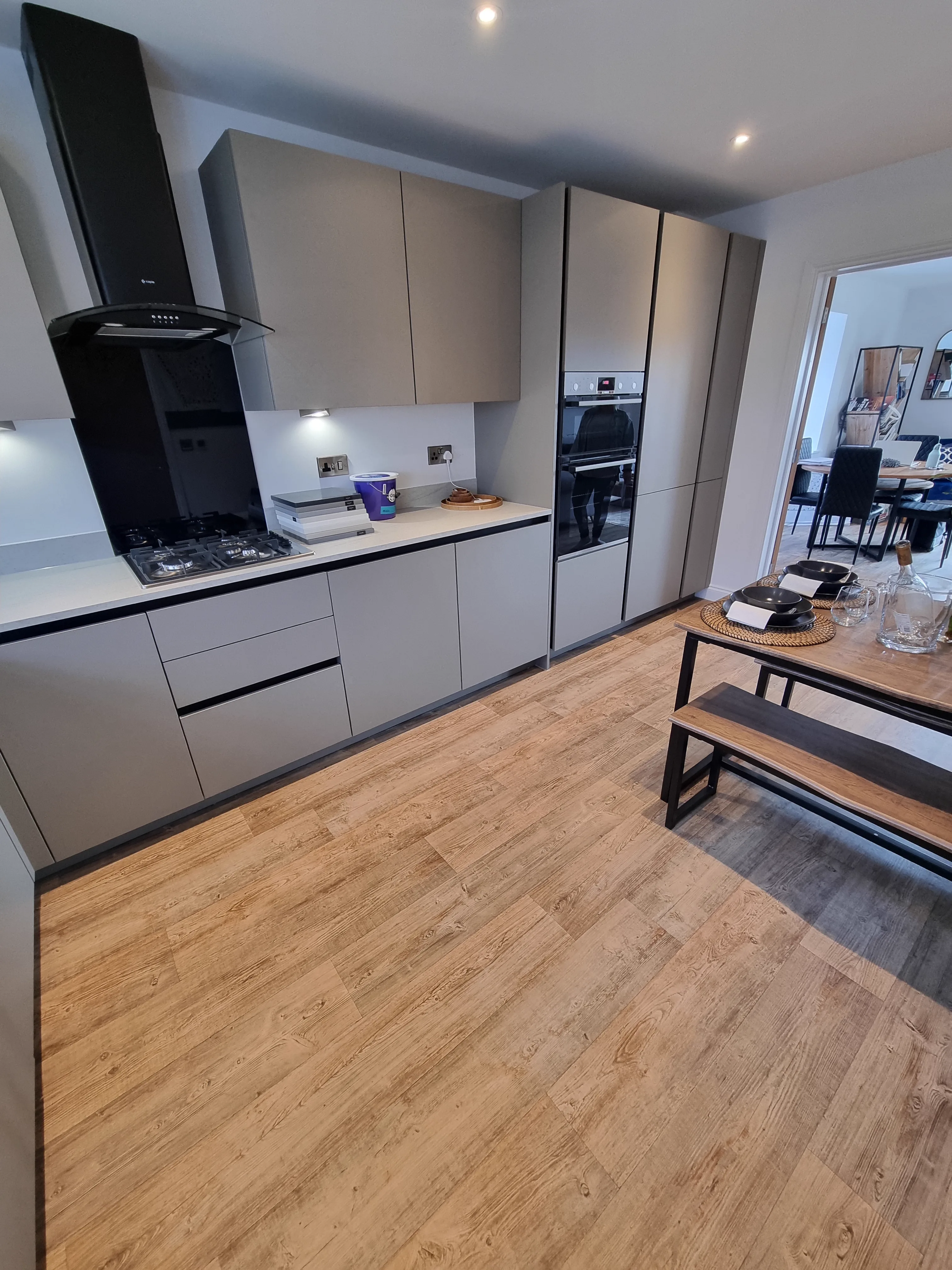
Carpet Cleaning
Deep carpet cleaning between tenants. Lifts dirt and resets the carpet for inventory. From £75.
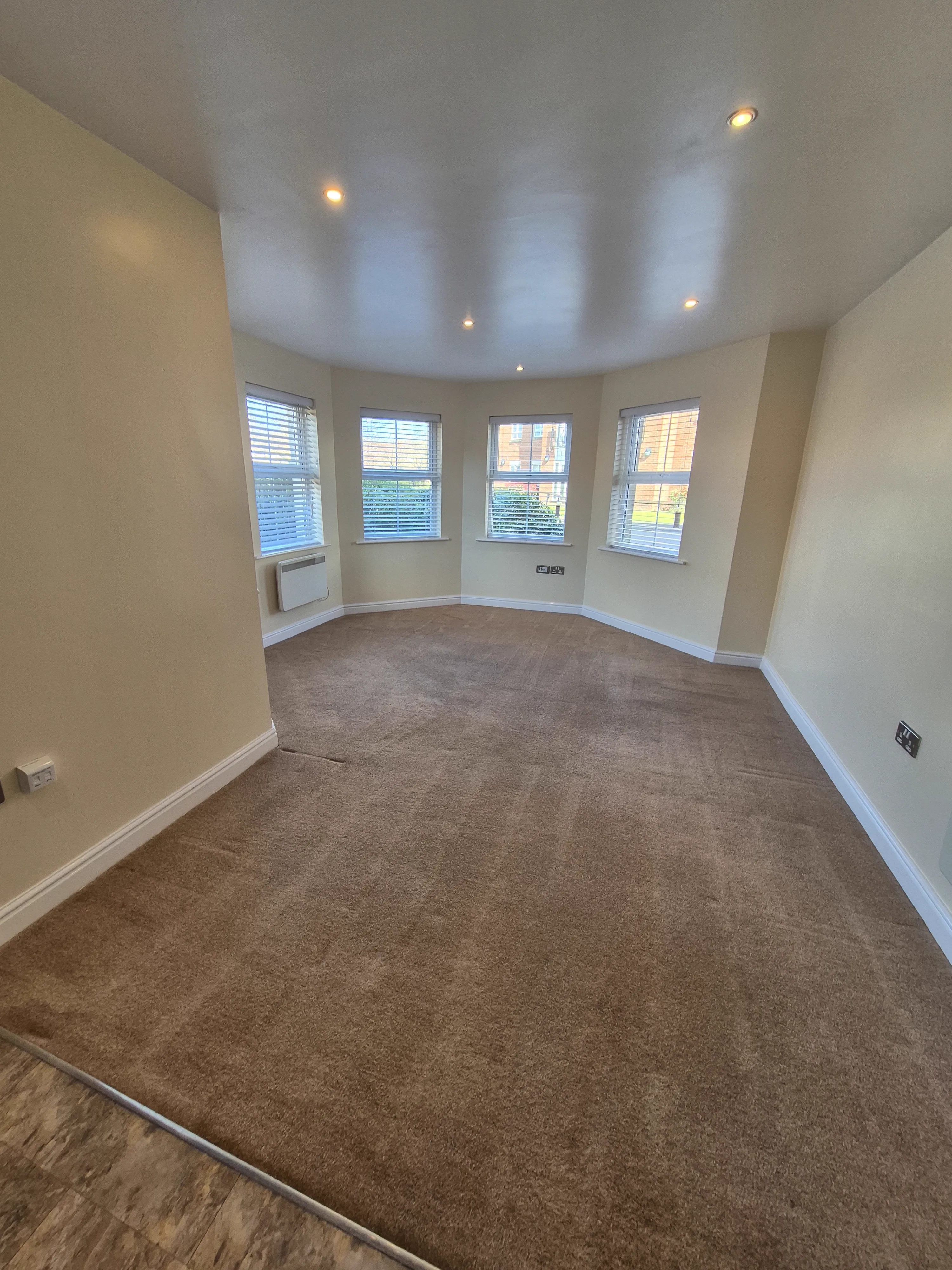
Repairs & Maintenance
Reactive repairs, handyman jobs, plastering and small works. One in house team for everything that isn't a certificate. From £50 per hour.
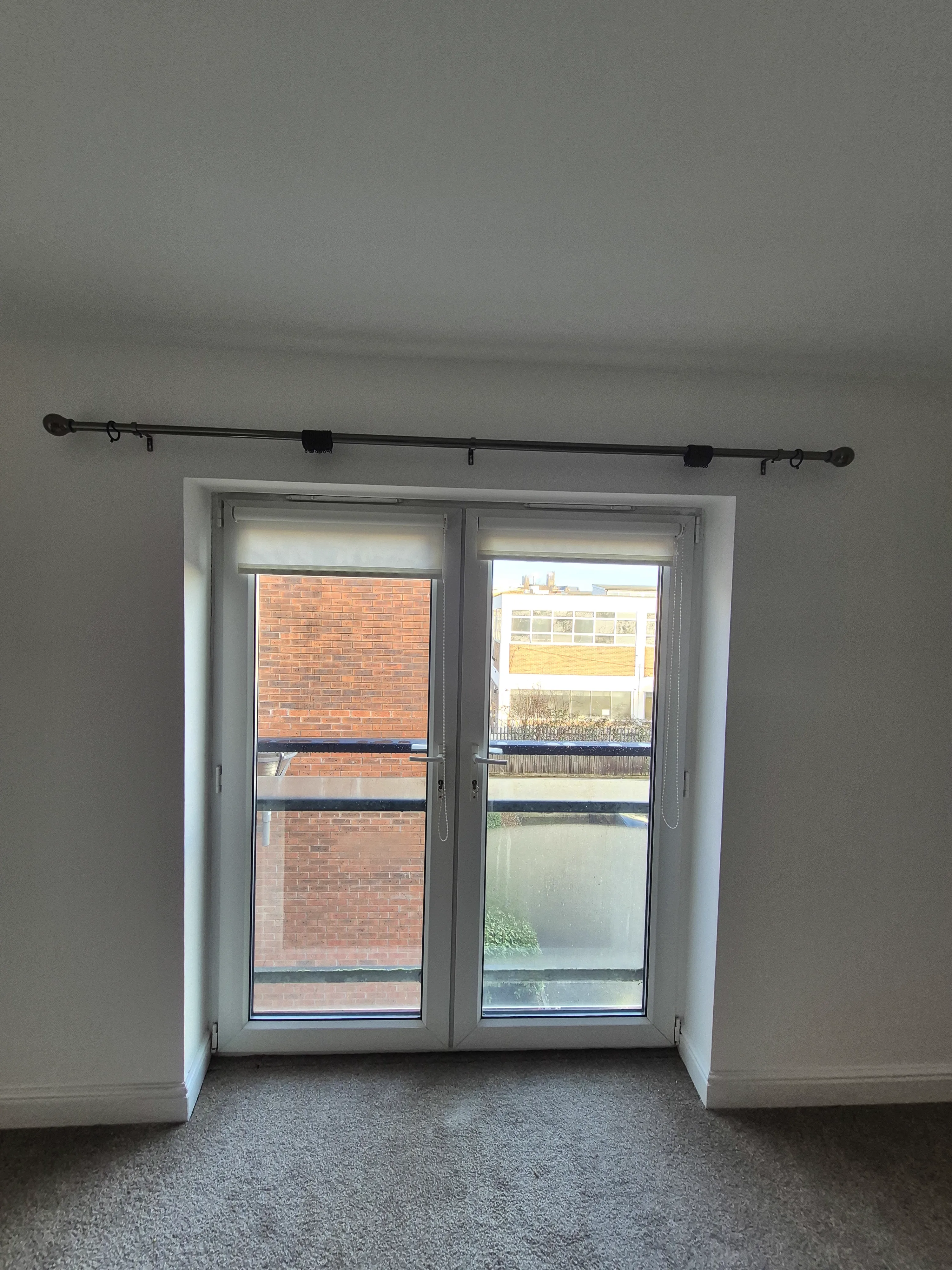
Joinery Works
Doors, frames, skirting, architrave and general carpentry. Handled in house by our joinery team.
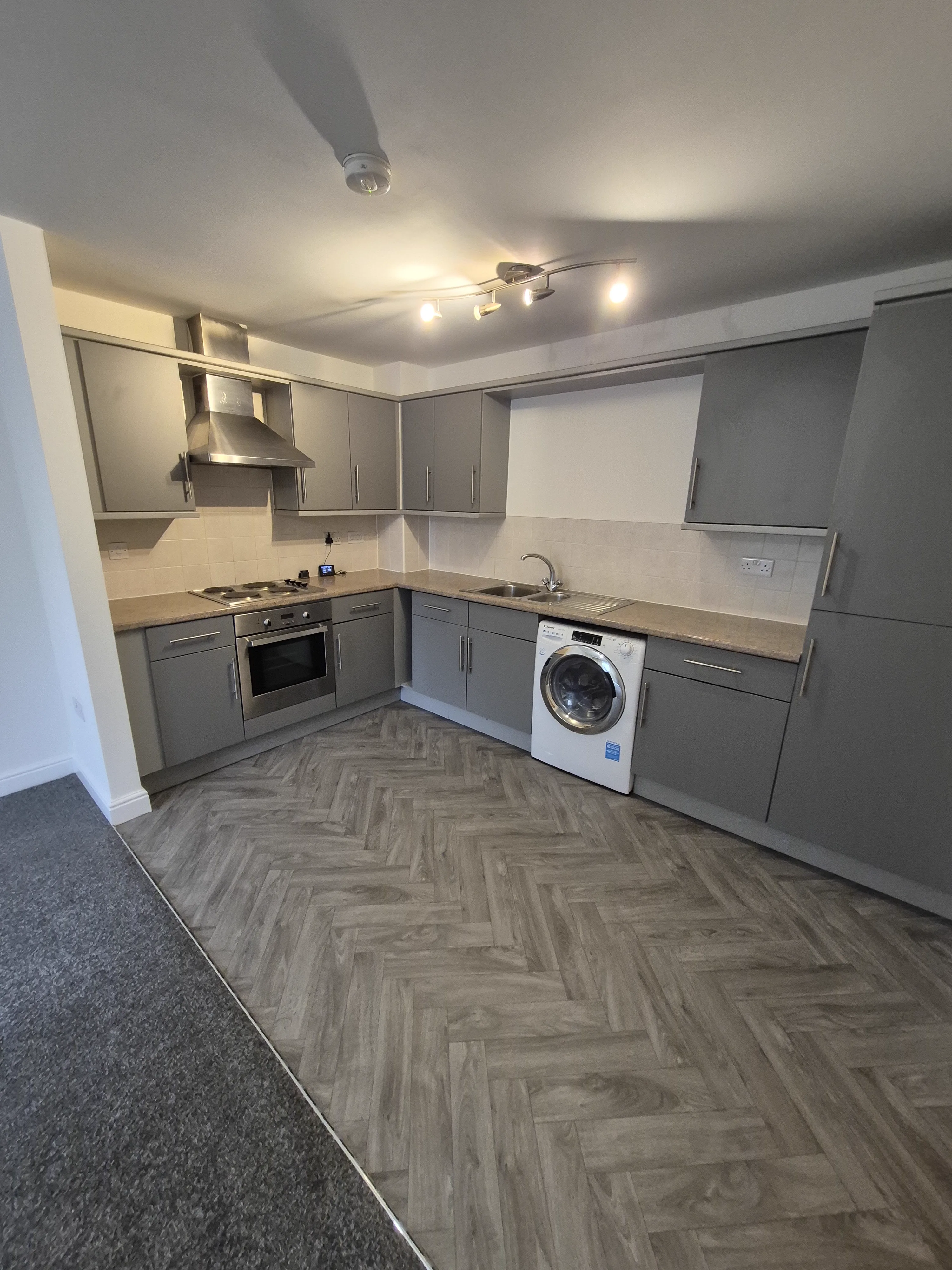
Gardening & Landscaping
Lawn cuts, hedge trims, garden clearances and fence work between tenancies. Front of house ready for the next viewing.
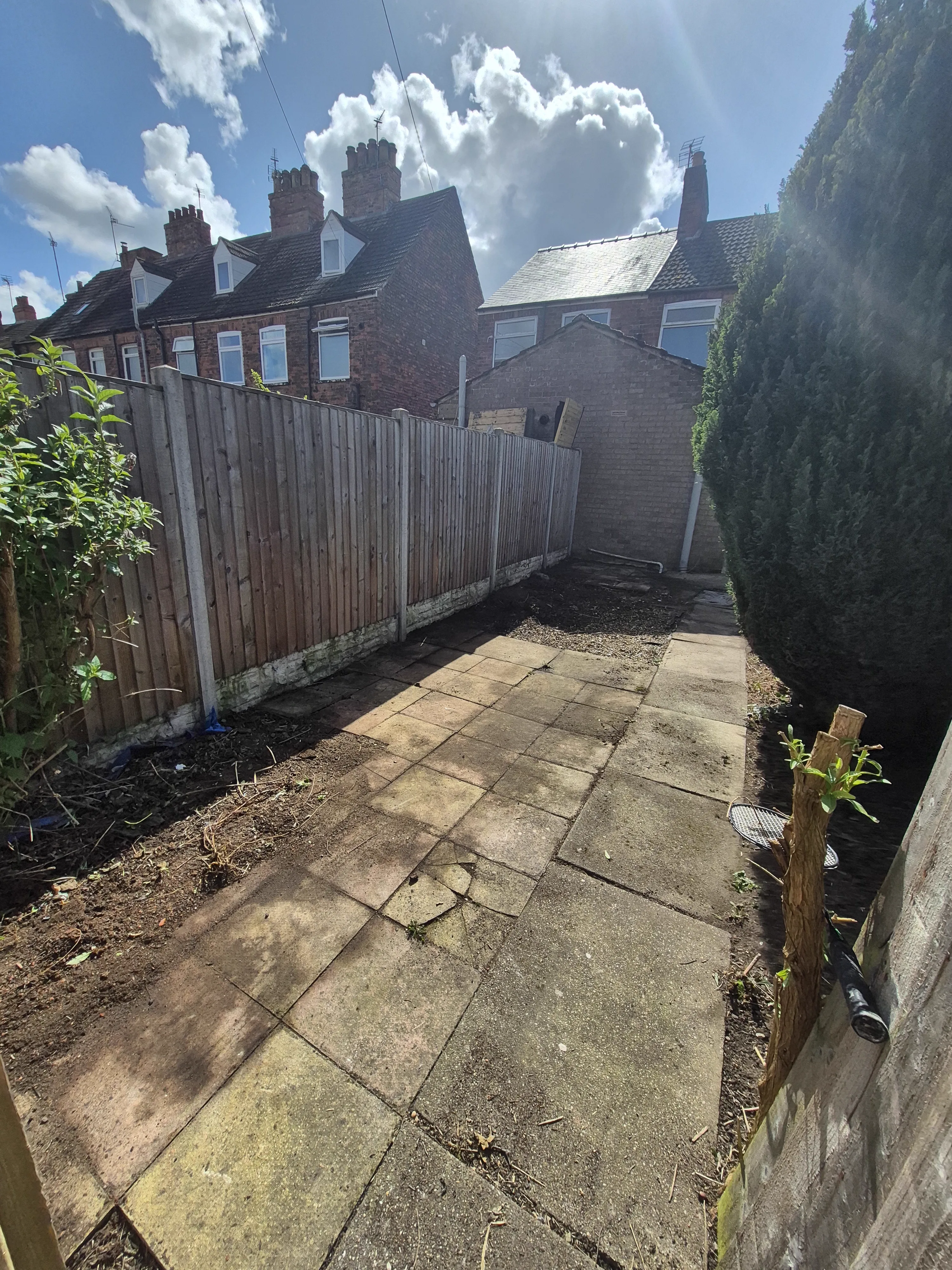
Clearance & Disposal
Furniture, white goods, garden waste and full property clearances. Registered waste carrier with Waste Transfer Notes on every job.
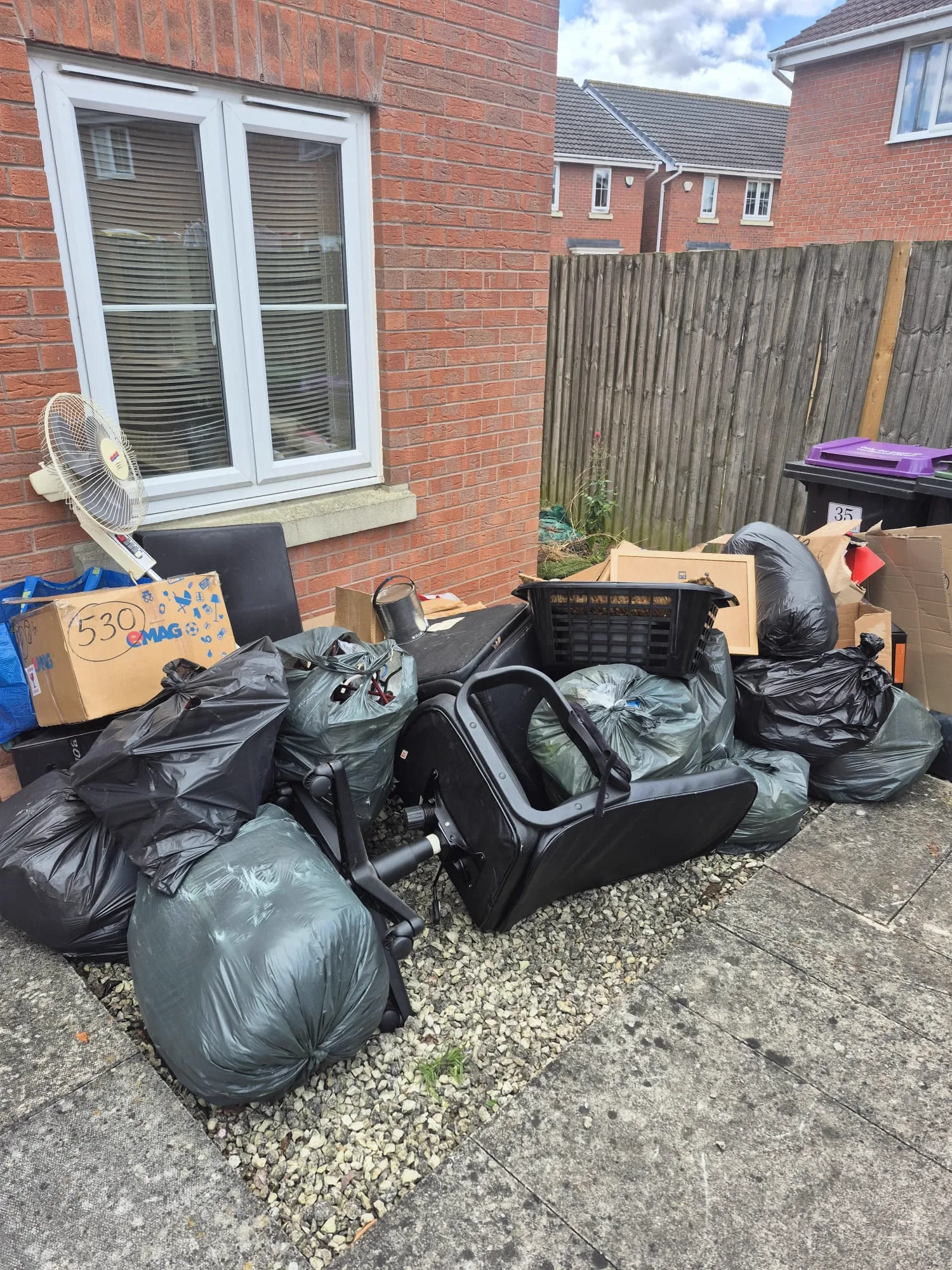
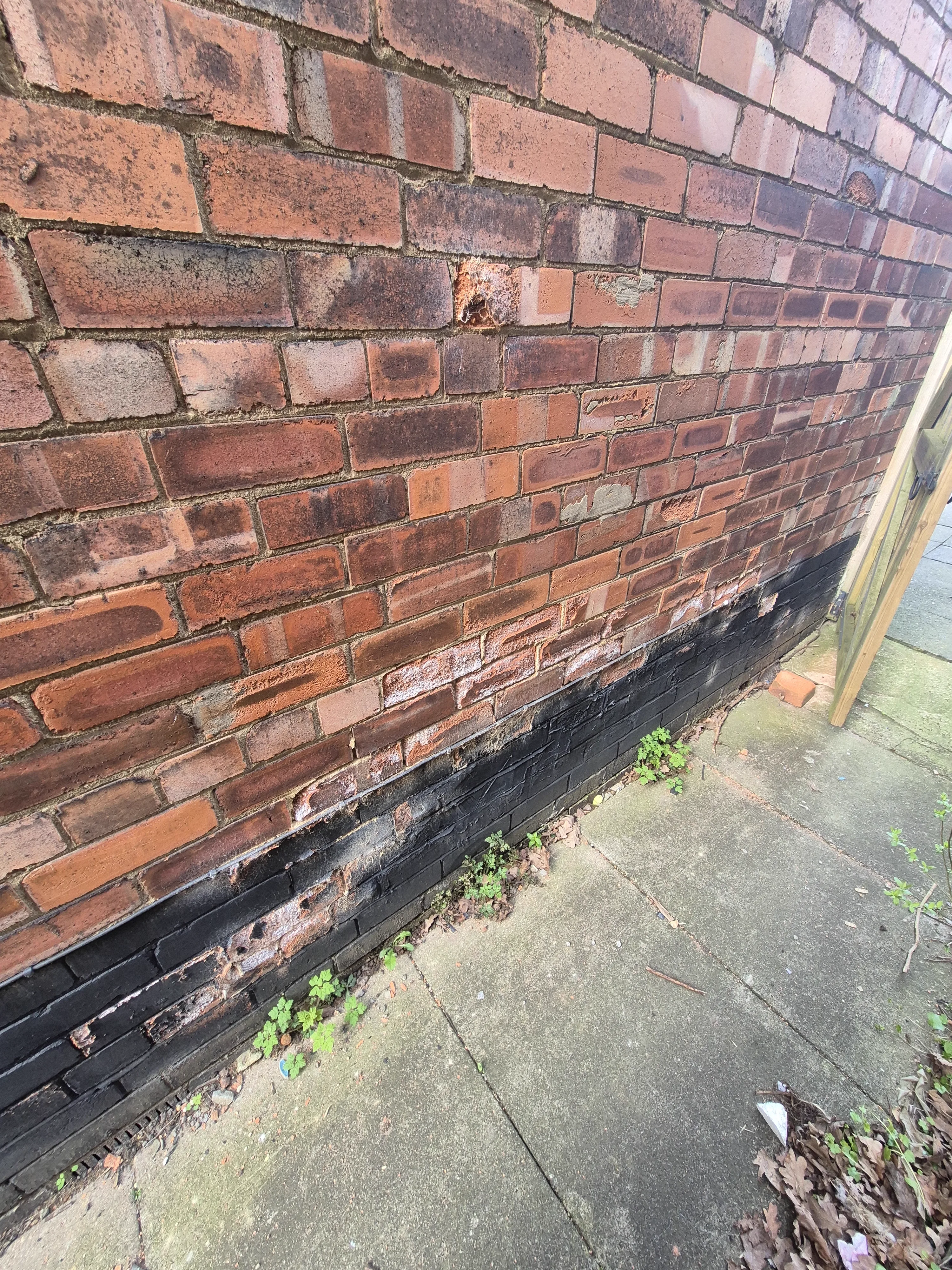
Damp & Mould Surveys
Damp and mould surveys with thermal imaging and moisture readings. Written reports for landlord and council records. Remediation works handled in house. From £80.
Swipe to see all 9 services →
Plus kitchens, joinery, windows and external works. See every service →
Gas, electrical and legionella certificates arranged via our trusted subcontractor network.
From the Landlords
What They Say About Us
“LWR carry out cleaning and maintenance on our rental properties and always do a great job. Reliable, quick to respond, and easy to work with. Highly recommend.”
Oli J
1 day ago
“Very impressed with LWR. I enquired about putting some shelves up and a curtain pole and hooks, and they fitted me in within the week. David went the extra mile — one of the shelves was damaged out of the packet and he touched it up so well I can't even see where the chip was. So kind and very much appreciated. Would use the firm again 100%.”
Rebecca Scofield
20 hours ago
“Excellent service and communication throughout. Delighted with the results of the cleaning of the carpets throughout the house.”
Chris Trigg
1 month ago
Get in Touch
Got a Property? Let's Talk.
Prefer email? info@lwrgroup.co.uk · Or fill in the quote form
For Landlords
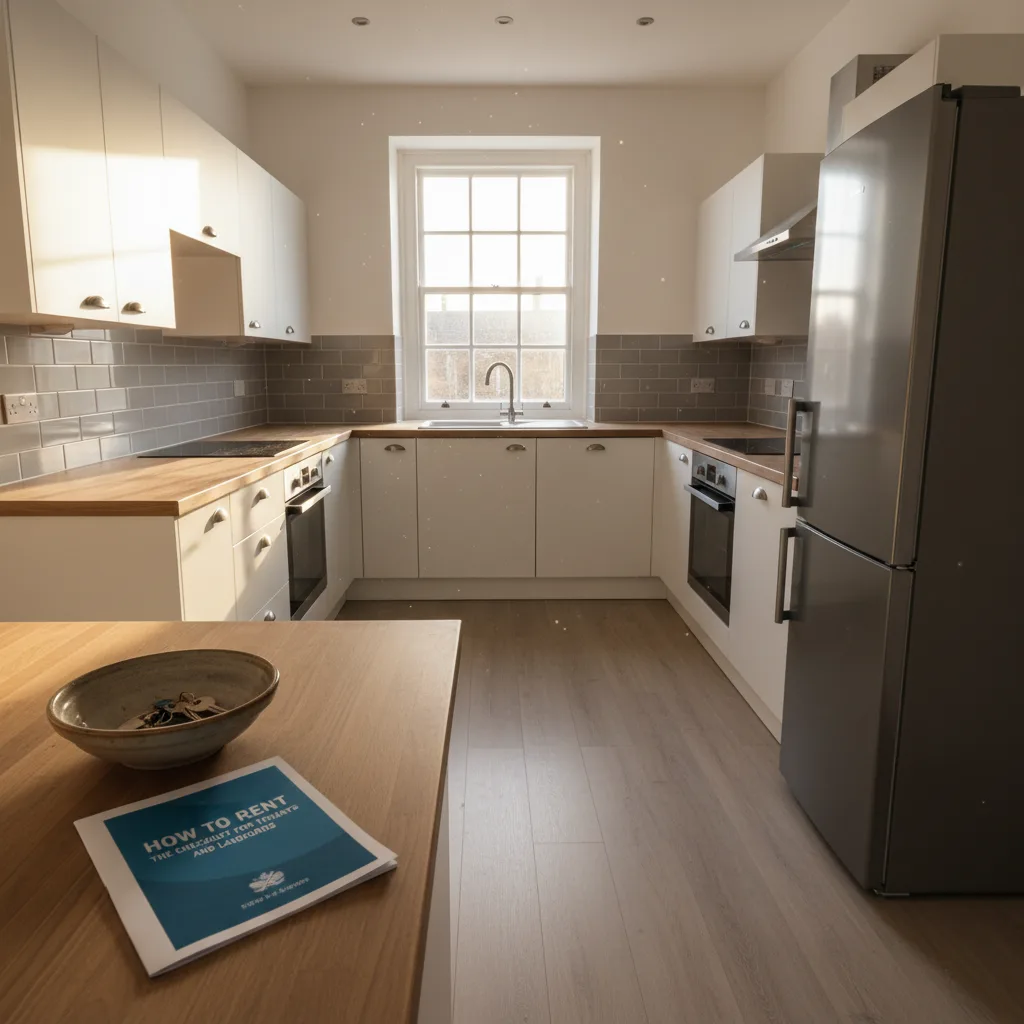
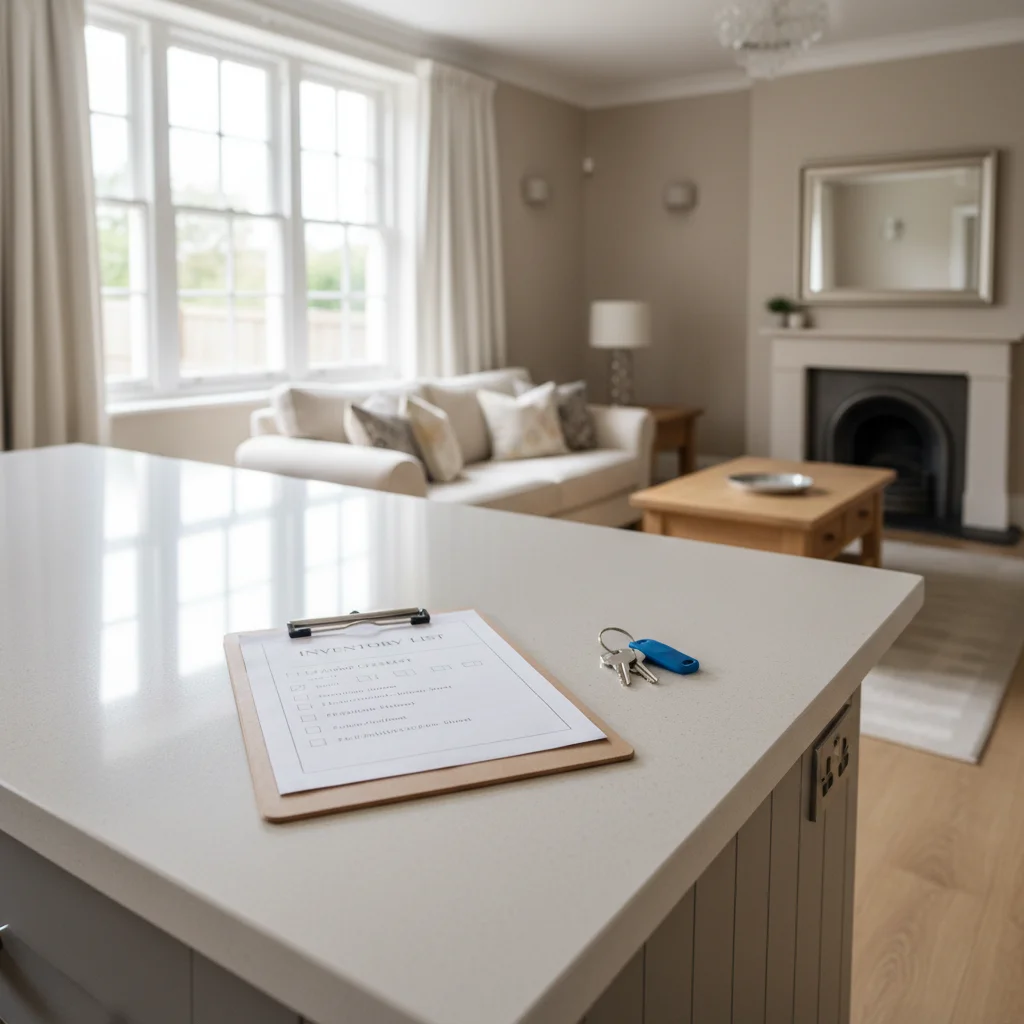
Guides Worth Reading





Common Questions
Frequently Asked Questions
A standard void turnaround for a 1 to 2 bed property (clean, paint touch ups, carpet check, minor repairs) takes 3 to 5 working days from instruction. For urgent voids we regularly accommodate 48 hour starts. Larger properties or full refurbishments are quoted upfront with a firm timeline so you can plan your relet.
Yes. Our damp and mould surveys are carried out to HHSRS hazard scoring standards and reports meet the evidence threshold the Housing Ombudsman expects. We produce written reports that stand up to council scrutiny and ride well with the Awaab's Law response timelines that apply to private landlords from 2027.
Our core trades — cleaning, painting, maintenance, flooring, gardening — are carried out by our own in house team. For specialist certificate works (gas safety, EICR, legionella) we use a trusted network of Gas Safe and NICEIC registered subcontractors, all coordinated by us. Either way, you deal with one point of contact.
Yes. LWR Group is CHAS accredited and holds £10M public liability insurance. We carry out RAMS (Risk Assessment and Method Statements) on every applicable job. All paperwork is available on request before your first job — useful for your landlord file or block management report.
Every job includes before and after photographs as standard, timestamped and organised by room. These are sent to you on completion ready for landlord reporting, deposit dispute evidence at the TDS / DPS / mydeposits adjudication stage, or inventory purposes. For larger void packages we can also provide a written scope of works completion report.
Yes. We work with landlords managing single properties and portfolios of 20+ across Lincoln, Newark, Sleaford, Grantham, Gainsborough, and the surrounding towns. Ongoing maintenance agreements available for landlords who want a single point of contact across their whole stock.
Absolutely. We already work alongside most of the Lincoln letting agencies — Martin & Co, Lovelle, Mundys, Loc8me, Pygott & Crone, and others. We can take instructions directly from your agent, coordinate access with tenants on your behalf, and bill either to you or to the agency.