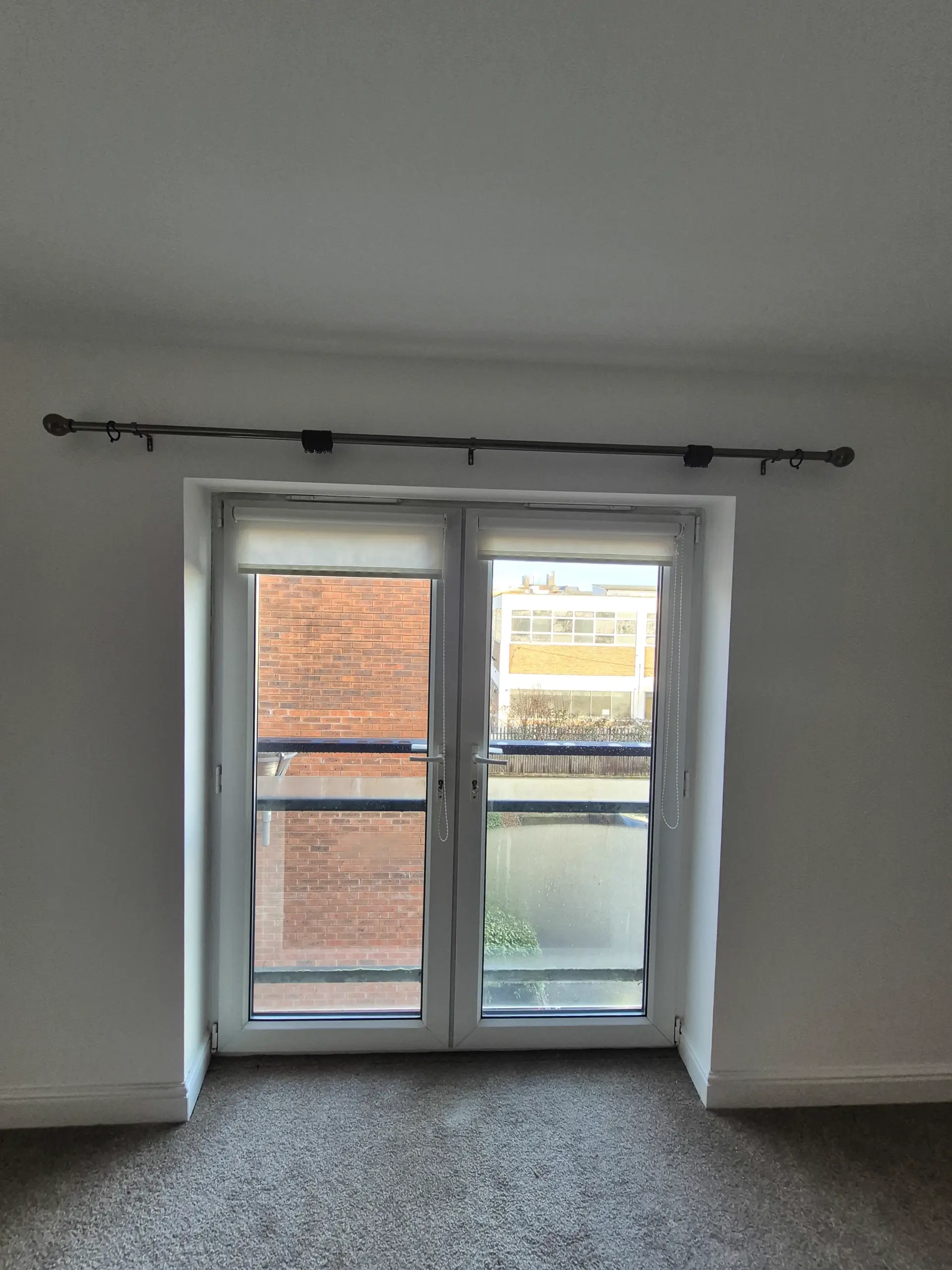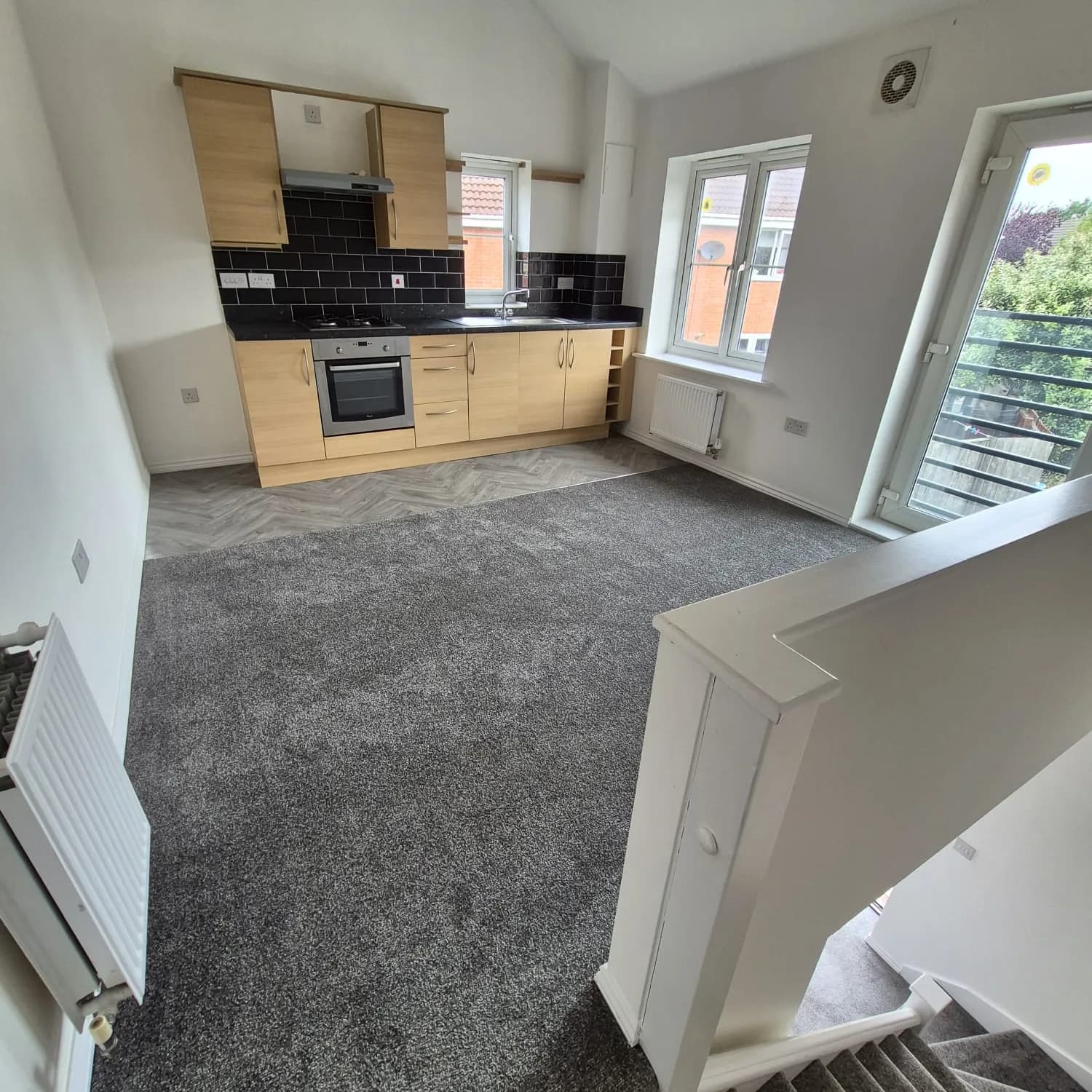


The condition a property is in when a tenant moves in directly determines the condition it's returned in at the end. Landlords who present well-prepared properties, clean, freshly decorated, with good quality flooring and a working outdoor space, consistently see lower deposit disputes, fewer mid-tenancy maintenance calls, and tenants who stay longer.
This is our practical guide for landlords getting a rental property ready to let, drawn from hundreds of void turnarounds we've carried out across Lincoln and Lincolnshire. It covers everything from the non-negotiable compliance certificates to the flooring decisions that will save you thousands over the life of the tenancy.
The golden rule of void preparation
Every £1 spent preparing a property properly before the tenancy starts saves approximately £3 to 5 in end-of-tenancy disputes, remedial work, and lost rent during a longer void. The cheap void preparation is always the most expensive one.
1. Safety compliance, the non-negotiables
Before anything else, every rental property must have all five compliance documents in place. These are legal requirements, not optional extras, and a missing document can invalidate a Section 21 notice (while that existed) and leave you exposed to substantial fines under the new Renters' Rights Act regime.
Mandatory compliance checklist
- Gas Safety Certificate (CP12), annual inspection by a Gas Safe registered engineer; must be provided to the tenant before move-in
- Electrical Installation Condition Report (EICR), required every 5 years for all private rented properties; must be satisfactory or remedial works completed
- Energy Performance Certificate (EPC), valid for 10 years; minimum band E currently, EPC C required for new lets by 2030
- Smoke alarms, at least one on every storey; must be tested and working at the start of each new tenancy
- Carbon monoxide detector, required in every room with a solid fuel or gas appliance (including gas boilers); test before move-in
- 'How to Rent' guide, must be served to the tenant at the start of the tenancy; check you're using the current edition (gov.uk)
- Information Sheet (new from May 2026), under the Renters' Rights Act, landlords must provide the government's prescribed Information Sheet to all tenants
- Legionella risk assessment, not a certificate but a documented risk assessment required for all rental properties
If any of these are missing or expired, sort them before marketing the property. Deposit disputes, court claims, and fines all trace back to missing compliance documents. If you're unsure what's current on your property, LWR Group can coordinate annual compliance renewals as part of a managed maintenance contract.
One Contractor For The Full Turnaround Get a Turnaround Quote or Join the LWR Group.
2. Deep clean to a professional standard
Inventory standard

The standard to aim for is an end of tenancy clean, that's the professional standard every inventory clerk uses when checking a property in. This means oven cleaned inside and out, fridge and freezer defrosted and wiped, all surfaces, skirting boards, inside cupboards, light fittings, window sills, and bathroom tiles cleaned to a professional standard.
A DIY clean rarely reaches this standard, not because tenants or landlords are careless, but because professional cleaners work methodically through a 30-point checklist in every room that the average person doesn't think to follow. When the inventory clerk checks in, they're comparing what they find against exactly this standard.
LWR Group carries out end of tenancy and void property cleans across Lincoln and Lincolnshire, including ovens, carpets, and specialist treatments. A professional clean before the tenancy begins sets the benchmark for the inventory and gives you grounds to claim for cleaning at the end if the standard isn't maintained.

3. Flooring, the most important decision you'll make
Flooring is where landlords lose the most money over the life of a tenancy, and where the right choice at the start can save thousands. The key decision is between carpet, tiles, and hard flooring.
Why tiles can be a problem
Ceramic and porcelain tiles are durable but brittle. Drop something heavy, a pan, a weight, a ladder during decorating, and the tile cracks. Matching replacement tiles for an older floor is often impossible, and replacing even one or two tiles often means replacing a whole section. In high-footfall areas like hallways and kitchens, grout also discolours and chips over time. Tiles have their place, but a tiled kitchen or hallway often becomes a point of dispute at the end of a tenancy.
Why carpet needs replacing more often than you'd think
Carpet is the easiest flooring to damage and the hardest to restore. Stains that look minor often reach the underlay. Bleach spots, burns, and pet odours can render a carpet unlettable. Standard depreciation rules mean a 5-year-old carpet has little or no value in a deposit claim even if the tenant has genuinely damaged it. Budget to replace carpets every two to three tenancies in a well-maintained property, more often in family lets.

Why LVT or laminate is usually the right answer
Hard flooring, Luxury Vinyl Tile (LVT) or laminate, consistently outperforms both tiles and carpet over the lifetime of a rental property.
Flooring comparison for rental properties
| Flooring type | Durability | Waterproof | Repairability | Cost (fitted) | Best for |
|---|---|---|---|---|---|
| LVT (Luxury Vinyl Tile) | Excellent, 15-25yr lifespan | Yes, fully waterproof | Individual planks replaceable | £25 to 45/m² | Kitchens, bathrooms, hallways, throughout |
| Laminate (AC4/AC5 grade) | Good, 10-15yr lifespan | No, moisture will lift | Difficult, section replacement | £18 to 35/m² | Living rooms, bedrooms, hallways |
| Carpet (good quality) | Moderate, 5-8yr lifespan | No | Cannot repair, replace only | £15 to 30/m² + underlay | Bedrooms only (where chosen) |
| Ceramic / porcelain tile | Very high, lifetime if not cracked | Yes | Very difficult, matching tiles | £30 to 60/m² | Bathrooms only (existing) |
| Cushion flooring / vinyl sheet | Low, 3-5yr lifespan | Yes | Sheet replacement needed | £10 to 20/m² | Budget only, not recommended |
LVT is the premium choice for rental property. It's fully waterproof, ideal for kitchens, bathrooms, and hallways, it looks like timber or stone, it's warm underfoot, and individual planks can be replaced if one gets damaged without redoing the whole floor. The upfront cost is higher than carpet or laminate, but most landlords who switch to LVT report it lasts through multiple tenancies without needing replacement.
Laminate (AC4 or AC5 grade for rental use) is a good cost-effective option for living rooms and bedrooms where moisture isn't a concern. Avoid it in kitchens, bathrooms, or anywhere near a boiler, even a small water leak will cause laminate to lift.
LVT throughout = one of the best investments a landlord can make
Landlords who install quality LVT throughout a property, even over existing tiles in kitchens and bathrooms, typically find they don't need to replace flooring again for the life of the property. The higher upfront cost versus carpet is recovered within 1 to 2 tenancy cycles. LWR Group supplies and fits LVT and laminate across Lincolnshire.
4. Decoration, neutral, durable, and easy to patch
Neutral wins

Neutral decoration is not boring, it's practical. Tenants are more likely to take care of a freshly decorated neutral property than a boldly coloured one they can't easily repaint. A light grey or warm off-white throughout, something like Dulux Jasmine White or Pale Slate, photographs well, reads as 'clean and modern', and most importantly can be touched up between tenancies with a roller and a pot of the same paint.
Choose a durable mid-sheen finish in kitchens and bathrooms rather than standard emulsion, it'll hold up to cleaning and condensation without marking. Matt emulsion on ceilings, mid-sheen on walls in wet rooms and kitchens, and a durable satin finish on all woodwork.
LWR Group carries out full void redecorations as part of our property maintenance service. We use consistent colour choices that photograph well and are straightforward to match when touchups are needed at the end of the next tenancy.
5. Kitchens and bathrooms
You don't need to replace the kitchen or bathroom, landlords who do this based on age alone often over-invest. What tenants notice is cleanliness, not age. A 15-year-old kitchen that's spotless and fully functional is a better start to a tenancy than a brand-new kitchen with ingrained silicone mould.
Kitchen and bathroom pre-tenancy checklist
- Reseal all silicone joints, kitchen sink, bath, shower tray, and around the base of toilets. Silicone discolours and tears, new sealant is one of the easiest and cheapest improvements you can make
- Regrout any visibly deteriorated grout, particularly around the bath and shower
- Replace cracked or broken tiles, even one cracked tile in a shower area causes water ingress
- Check the extractor fan runs in both kitchen and bathroom, a broken extractor is a condensation damp problem waiting to happen
- Service or replace taps with dripping washers, a dripping tap wastes money and annoys tenants
- Check all under-sink plumbing for slow leaks, put new seals on any compression fittings that are weeping
- Check the boiler pressure and service date, schedule a service if it's overdue
6. White goods and appliances
What white goods you provide sets a legal obligation, once provided, you're responsible for maintaining them. Common practice for unfurnished lets is to provide: built-in oven and hob (standard in most kitchens), fridge or fridge-freezer, and washing machine. Adding a dishwasher and tumble dryer is common in higher-value lets but adds to your maintenance liability.
Before a new tenancy, test every appliance through a full cycle. Check the oven elements are working, the washing machine completes a wash without alarming, and the fridge maintains temperature. Replace rather than repair any appliance over 8 years old or that has already had one repair, the cost of a breakdown mid-tenancy (including tenant inconvenience and the emergency call-out) far exceeds the cost of replacement.
7. Garden and outdoor spaces
Outdoor spaces are consistently under-prepared before tenancies and consistently over-contested at the end. A well-maintained garden at the start of a tenancy sets the expectation and the baseline for the inventory. A neglected garden at the start of a tenancy practically invites a dispute at the end, and you'll have no leverage to claim for it.
Before the tenancy begins:
Garden preparation checklist
- Mow and edge all grass areas
- Strim overgrown edges and paths
- Clear weeds from borders, paths, driveways, and patios
- Cut back any overgrown shrubs or hedges to a manageable, tidy state
- Clear gutters if accessible and clearly blocked
- Remove all debris, old planters, rubbish, and unused equipment
- Check boundary fences and gates, report and repair any that are failing
- Pressure wash patios and paths if visibly dirty
If you have a shed with basic garden tools, a spade, fork, hoe, lawnmower, consider leaving them at the property rather than removing them. Tenants who have the tools to maintain the garden are significantly more likely to actually maintain it. Remove anything you value or need, but a £40 lawnmower left in the shed often prevents a £200 end-of-tenancy garden clearance bill.
Include garden care responsibilities clearly in the tenancy agreement, specify what the tenant is expected to do (maintain grass, keep borders clear, not cut back trees) and what the landlord remains responsible for (structural work, large tree management). The clearer this is at move-in, the easier any end-of-tenancy discussion will be.
8. Setting up a property maintenance contract
For landlords who want to protect their investment without fielding maintenance calls at 9pm, a monthly property maintenance contract is the most practical solution. LWR Group offers rolling maintenance contracts for landlords across Lincoln and Lincolnshire that cover the routine upkeep that keeps a property looking well-maintained and prevents small issues from becoming expensive ones.
A typical maintenance contract covers:
- Regular exterior window cleaning, keeps the property looking well-presented from the street and maintains sill condition
- Green areas maintenance, grass cutting, strimming, edge maintenance, and basic border care on a monthly or fortnightly basis
- Gutter clearance, typically twice a year in autumn and spring to prevent water ingress and damp
- Routine property inspections, visual checks for building fabric issues, water ingress, or emerging maintenance problems before they become expensive
- Priority call-out on reactive repairs, maintenance contract clients get faster response times on urgent repairs
The benefit of a maintenance contract isn't just cost, it's continuity. Your property is being looked at regularly by people who know it. Small problems are spotted early. The garden never gets into a state that would concern a tenant or embarrass the property in front of a visiting letting agent.
Maintenance contracts, what landlords tell us
Landlords with a maintenance contract in place consistently report fewer end-of-tenancy disputes, higher tenant satisfaction scores on reference requests, and lower average void lengths. A well-maintained property attracts and retains better tenants. Get in touch with LWR Group to discuss a contract for your property or portfolio.
9. Before handover, final checks
Handover day

In the 48 hours before the tenant moves in, run through this final check:
Final pre-handover checklist
- Photograph every room in full, walls, floors, windows, and any existing marks or wear
- Photograph all appliances, garden, and outdoor areas
- Test every smoke alarm and CO detector, press and hold the test button
- Run a test wash on the washing machine
- Check all lights are working, replace any blown bulbs
- Confirm all keys are cut and working, at least two full sets
- Have all compliance documents printed and ready to hand over at check-in
- Provide manuals or model numbers for all appliances left at the property
- Set the boiler to the correct time and an appropriate temperature setting
- Leave a brief welcome note with the meter locations, stop cock location, and emergency contact details
The inventory should be carried out by a professional third-party inventory clerk, not by the landlord or agent. A third-party inventory is impartial and carries significantly more weight in a deposit dispute than a landlord-produced schedule.
LWR Group
Property Services · Lincoln & Lincolnshire