
End of tenancy cleaning is one of the most common causes of deposit disputes, and one of the most preventable. A thorough, professional clean at the end of every tenancy protects the landlord, protects the tenant, and gets the property back on the market faster.
At LWR Group, we carry out hundreds of end of tenancy cleans every year across Lincoln and Lincolnshire. This guide is the checklist itself: exactly what a proper clean covers, room by room, and what inventory clerks check when they walk through the door. If you're after prices rather than the standard, see our separate end of tenancy cleaning cost guide — this page is about what has to be done to pass check-out first time.
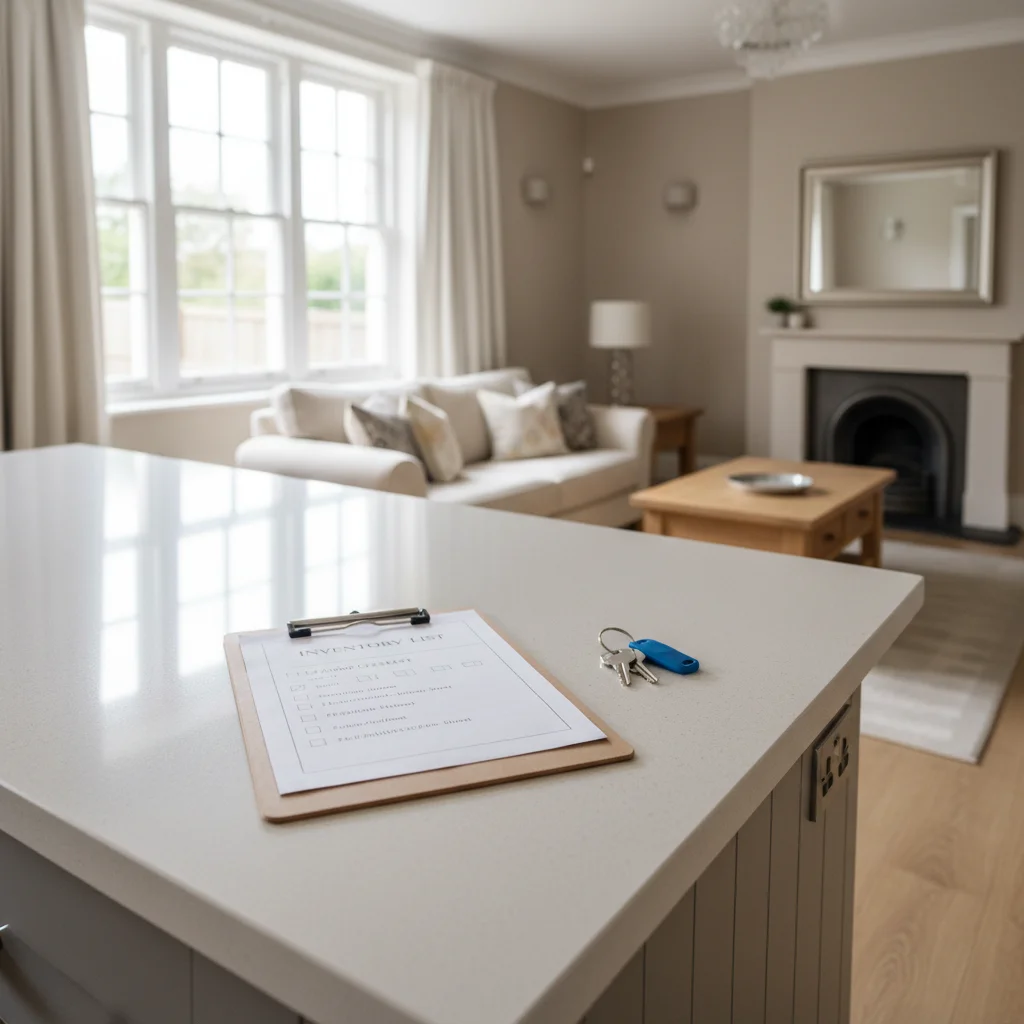
One principle sits behind every line of the checklist: the benchmark is the check-in inventory, not a normal domestic clean. Deposit schemes don't ask whether the property is clean in a general sense — they compare its condition against the dated, photographed record from the day the tenancy started. That's why a property can look spotless and still fail: the clerk is checking the inside of the oven, the top of the door frames and the extractor filter against last year's photos, not the first impression from the hallway.
Key fact
Deposit dispute data shows cleaning is the cause of over 50% of all deductions. A professional clean almost always costs less than a contested deposit claim.
50%+
of deposit disputes are cleaning-related
TDS data
£300
average cost of a professional EOT clean
LWR Group 2026
1st
thing inventory clerks check: the kitchen
The Kitchen: The Most-Checked Room
First impression
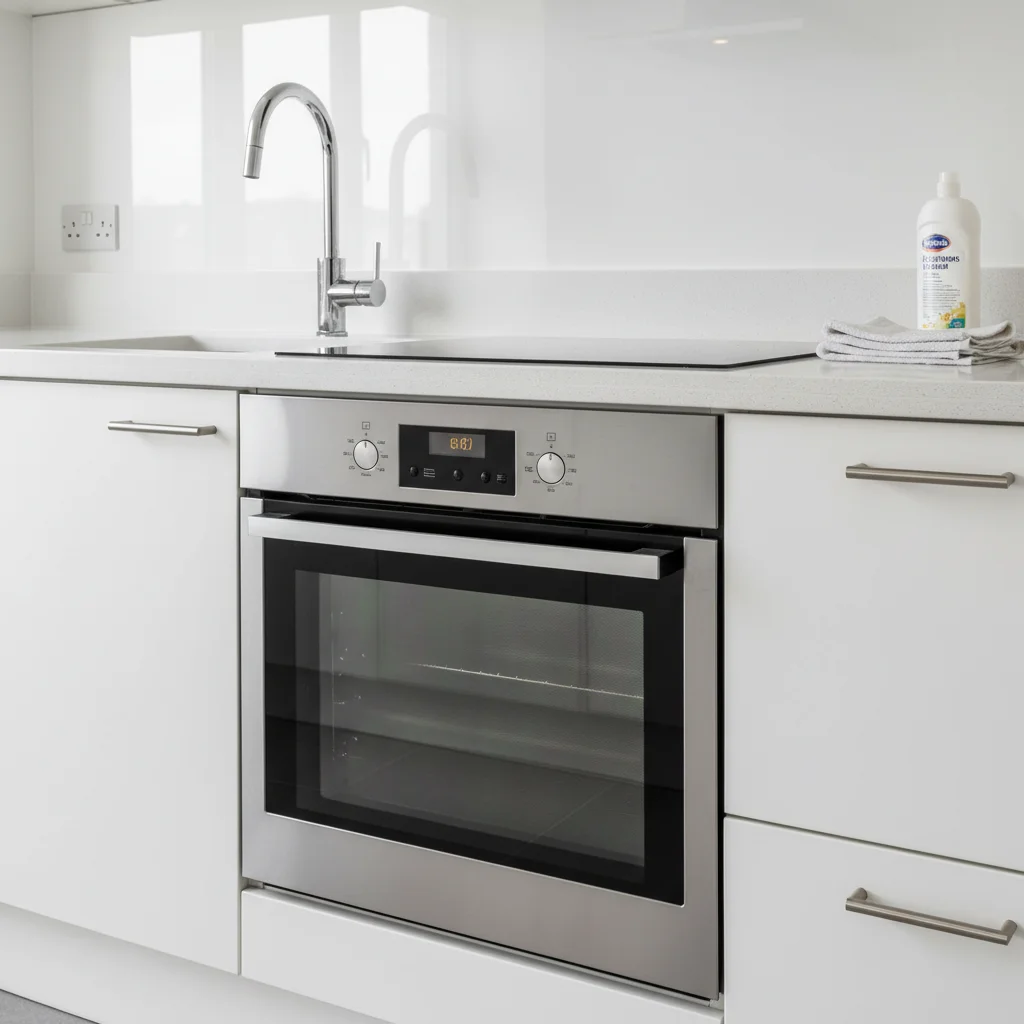
Inventory clerks spend more time in the kitchen than any other room. It's where the most grime accumulates and where landlords face the biggest risk of failed inspections.
Kitchen checklist
- Oven, hob, grill, and extractor fan: fully degreased inside and out
- Fridge and freezer: emptied, defrosted, and wiped down including door seals
- Dishwasher: filter removed and cleaned, spray arms cleared, interior wiped
- Microwave: inside, outside, and turntable
- All cupboards: inside and out, including hinges and handles
- Worktops and splashbacks: limescale removed, grout cleaned
- Sink and taps: descaled and polished
- Floor: swept, mopped, and dried
- Washing machine: drum clean cycle run, door seal wiped
- Window sill, ledges, and skirting boards
EOT Cleans That Pass First Time Book an EOT Clean or Join the LWR Group.
Bathrooms and en-suites
Limescale + mould
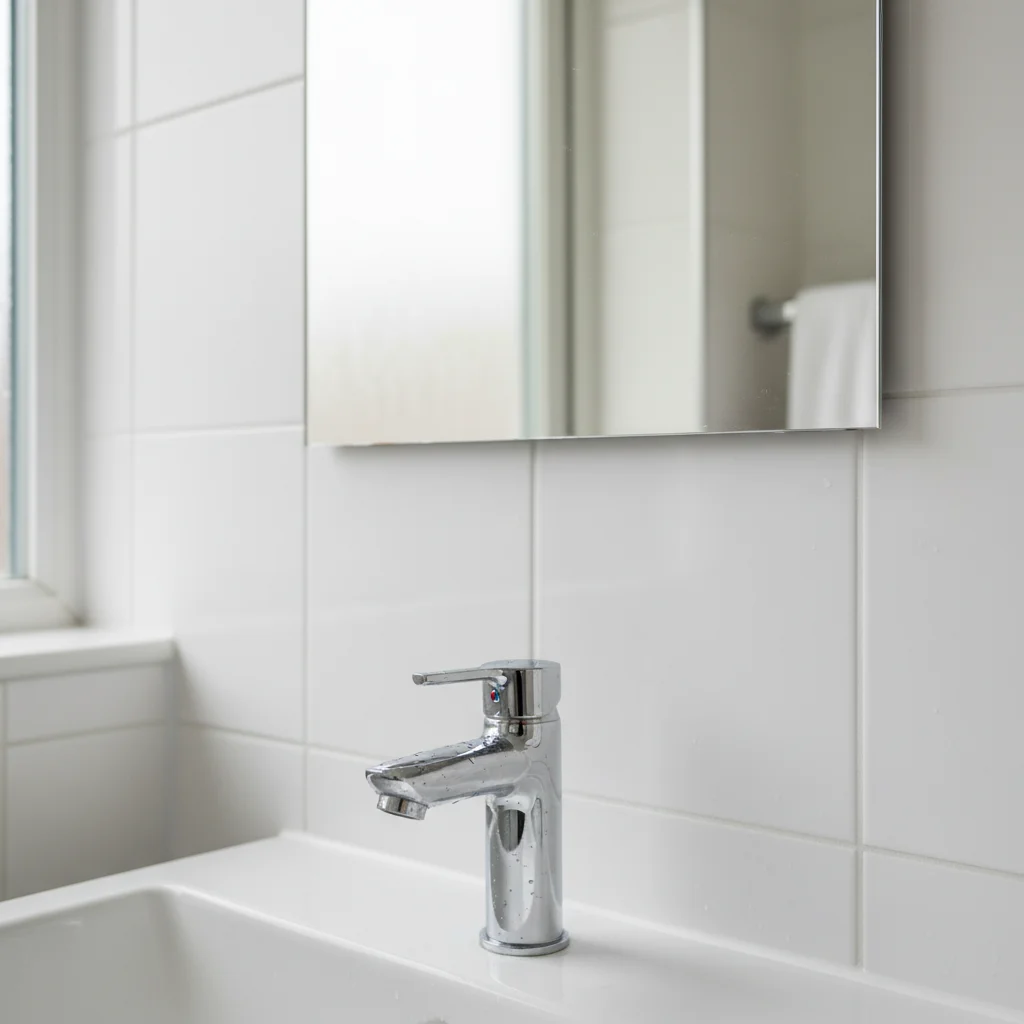
Limescale, mould, and soap scum are the three things inventory clerks look for first. These take time to remove properly and are often missed by tenants doing a DIY clean.
Bathroom checklist
- Bath and shower tray: descaled, scrubbed, and dried
- Shower screen or curtain: glass polished clear of limescale and soap marks
- WC: bowl, seat, lid, cistern, and behind the pan
- Sink, taps, and waste: descaled and polished
- Tiles and grout: cleaned, mould treatment applied where needed
- Mirror: streak-free
- Extractor fan: grille cleaned, cover removed if accessible
- Cupboards and shelves: wiped inside and out
- Floor: cleaned including edges and around toilet base
Bedrooms and living areas
Soft furnishings
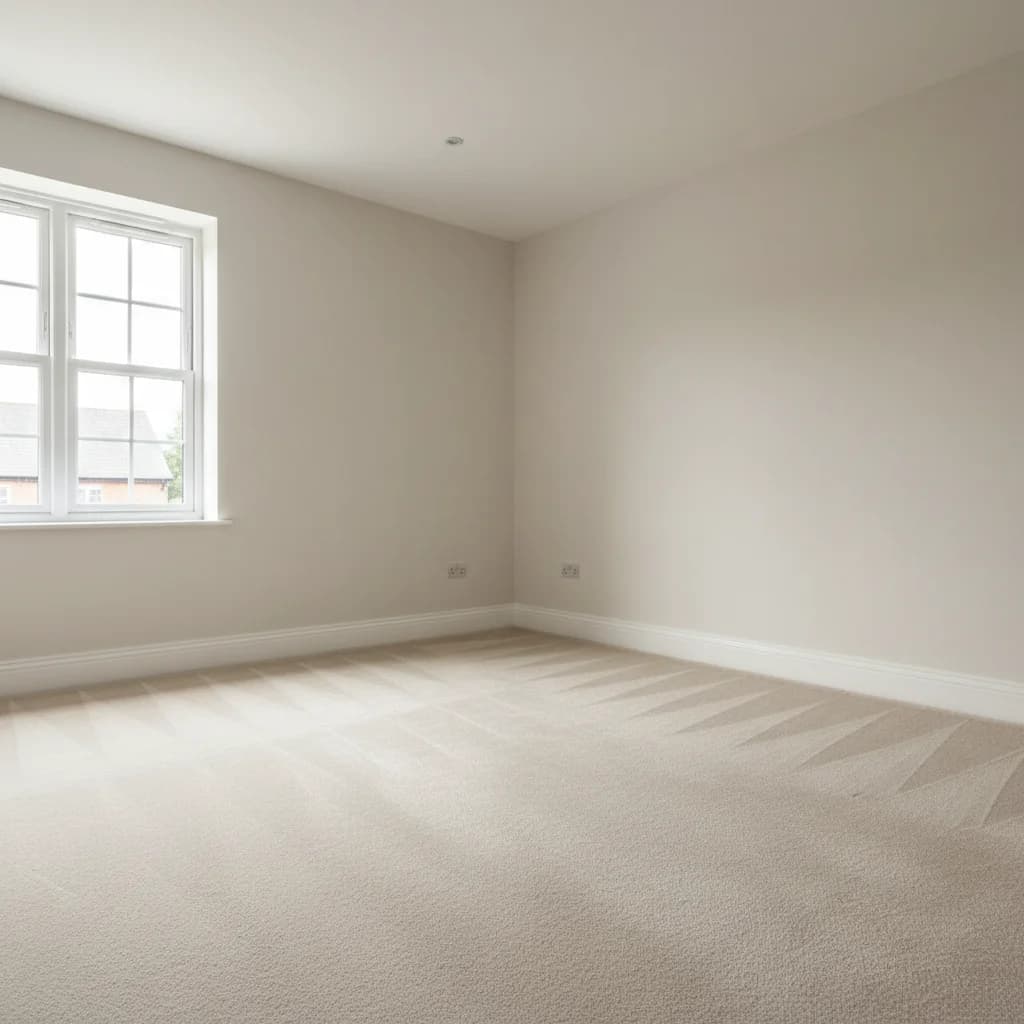
Bedrooms and living areas checklist
- Carpets: professionally cleaned (not just vacuumed)
- Skirting boards: dusted and wiped
- Windowsills, ledges, and frames: inside and out
- Light fittings, switches, and sockets: wiped and polished
- Wardrobe interiors: shelves, rails, and floors
- Mirrors and glass: streak-free
- Walls: marks and scuffs spot-cleaned
- Radiators: dust and grime removed
- Curtain poles, blinds, and tracks: dusted
Hallway, stairs, and landing
High-traffic zones
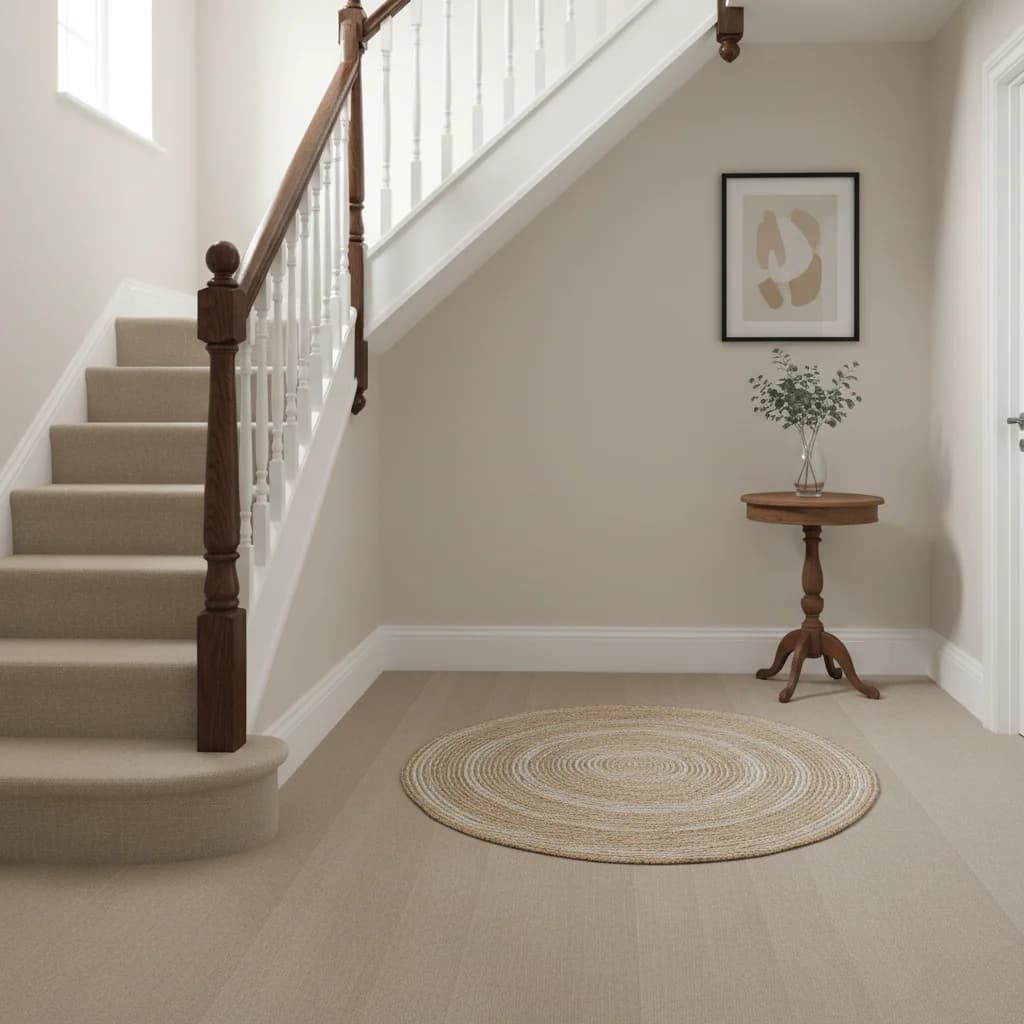
- Carpet or hard floor: cleaned throughout
- Bannisters and spindles: wiped and polished
- Front door: inside and out, letterbox cleaned
- Any cupboards (e.g. under the stairs): interior swept and wiped
- Coat hooks and storage: wiped down
External areas (if applicable)
- Garden: rubbish removed, lawn mowed, borders tidy
- Driveway and paths: swept
- Bins: emptied and rinsed
- Outbuildings or sheds: swept and cleared
Pro tip: book photos before the clean
Always take dated before-and-after photos. If a dispute arises, photo evidence is far more persuasive than a verbal account. All LWR Group cleans include professional before and after photography.
What happens if it fails inspection?
When it fails

If an inventory clerk raises a cleaning issue, you have two options: dispute it with evidence (photos, receipts) or rectify it. A re-clean is almost always required before a new tenancy can begin, and time is money.
At LWR Group, we clean to the standard expected by inventory clerks and letting agents. If something is raised at check-out, we return and address it at no extra charge. That's our commitment to getting it right first time.
Common mistakes
Tenants often miss: the top of kitchen cupboards, inside the oven door glass, behind and underneath the fridge, bathroom extractor fans, and underneath radiators. Professional cleaners check all of these as standard.
Worked example, Sarah's failed DIY clean
Sarah's tenant moves out of her 2-bed Lincoln flat after 18 months. The tenant did a DIY clean and the flat looks fine to the eye. The inventory clerk fails it on five points: oven door glass interior, top of kitchen wall units, mould around shower silicone, behind the fridge, and the extractor fan grille. Cost to fix: £180 re-clean plus 4 days of void (£105 lost rent at £750/month) = £285. Cost of a pro EOT clean upfront: £300, with no re-clean fee and no failed inspection. The DIY route saved £120 in cash but lost £285 in the dispute and void, before counting Sarah's own time arguing with the deposit protection scheme.
LWR Group
Property Services · Lincoln & Lincolnshire