

Awaab's Law 2026: Timescales, Private Landlords and What to Do Now
What is Awaab's Law, does it apply to private landlords, and what are the timescales? A plain-English guide, checked against the GOV.UK guidance.
LWR Group
Property Services · Lincoln & Lincolnshire
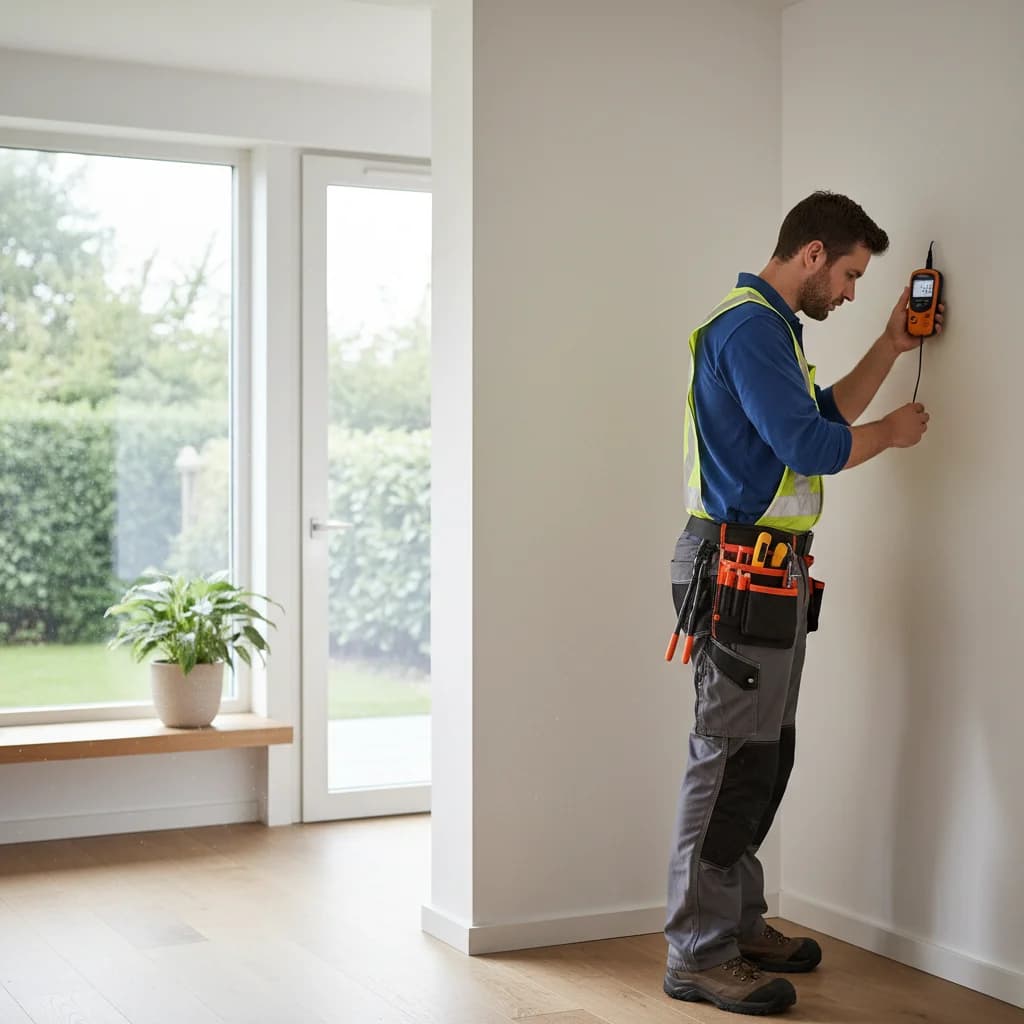
Awaab's Law is the most significant change to damp and mould regulation in the UK rental sector in decades. Named after two-year-old Awaab Ishak, who died in 2020 from a respiratory condition caused by mould in his family's housing association flat in Rochdale, the legislation sets strict timescales for landlords to investigate and fix damp and mould hazards.
If you're a landlord or letting agent, you need to understand what this means for you, even if you're in the private sector. Here's a straightforward breakdown.
This is a guide, not legal advice
This is general information, not legal advice. Check the GOV.UK guidance for the current position and speak to a solicitor or housing specialist before relying on it. Happy to recommend specialists we've worked with in Lincoln and Lincolnshire.
Ask us for a recommendationStatutory timescales
The Awaab's Law Clock
- 01
Day 0
Landlord becomes aware
A report from the tenant, or the landlord otherwise finding out about a potential significant hazard, starts the clock. The next working day is day 1.
- 02
10 working days
Investigate
Investigate a potential significant hazard of damp or mould within 10 working days.
- 03
+3 working days
Written summary
Give the tenant a written summary of the findings within 3 working days of the investigation.
- 04
+5 working days
Safety work
Complete the safety work within 5 working days of the investigation, where the hazard is significant.
What is Awaab's Law?
The trigger

Awaab's Law has applied to social housing in England since 27 October 2025, under the Hazards in Social Housing (Prescribed Requirements) (England) Regulations 2025. It requires social landlords to meet strict timescales when responding to damp, mould and other health hazards. The core requirements are:
Key timescales (social landlords)
- Investigate a potential significant hazard within 10 working days of becoming aware
- Give the tenant a written summary within 3 working days of the investigation
- Complete safety work within 5 working days of the investigation, where a significant hazard is found
- Investigate and make safe emergency hazards within 24 hours
- Day 0 is the day the landlord becomes aware, and day 1 is the next working day
Why it matters
The coroner's report into Awaab Ishak's death found that the housing association had been aware of the mould problem for years but failed to take effective action. Awaab's Law exists to prevent this from happening again.
Need a Hand With Your Rental? See How We Help Landlords or Join the LWR Group.
Does Awaab's Law apply to private landlords?
Private sector exposure

Awaab's Law applies to social housing providers in England. The Renters' Rights Act 2025 allows it to be extended to the private rented sector, but no date has been set and the government has said it will consult first. Private landlords are not yet bound by the Awaab's Law timescales.
That does not mean private landlords can wait. The Housing Health and Safety Rating System (HHSRS) already covers damp and mould, which can be a Category 1 hazard where it poses a serious risk to health. Local authorities can already issue improvement notices and prohibition orders against private landlords who fail to address damp and mould.
Don't wait for formal extension
The Awaab's Law timescales are not yet law for private lets, but they are a sensible standard. If you are served an improvement notice and cannot show you acted promptly, you risk enforcement action and civil penalties of up to £30,000.
What should private landlords do now?
Operational standard

Whether or not the law formally applies to you today, adopting these standards is the safest approach:
Action plan for private landlords
- Take every tenant report of damp or mould seriously and respond in writing promptly
- Commission a professional damp and mould survey if the cause isn't immediately obvious
- Fix the root cause (ventilation, structural defect, plumbing leak), not just the symptoms
- Document everything: reports, inspections, remediation, and follow-up
- Keep photographic evidence of condition before and after any work
- Consider proactive inspections at mid-tenancy or annual intervals

Sister brand: The Damp & Mould Man
Damp and mould surveys, thermal imaging, written reports and in-house remediation, all handled by our sister brand The Damp & Mould Man.
Visit The Damp & Mould ManThe role of HHSRS
The Housing Health and Safety Rating System is the framework local authorities use to assess hazards in residential properties. Damp and mould growth are assessed under Category 1 (most serious) or Category 2 hazards depending on severity.
A Category 1 hazard triggers a duty on the local authority to take enforcement action. This can include improvement notices, prohibition orders, emergency remedial action, and in serious cases, prosecution. Fines for non-compliance can reach £30,000 per offence, and persistent offenders can face criminal charges.
Common mistakes landlords make
Where it goes wrong
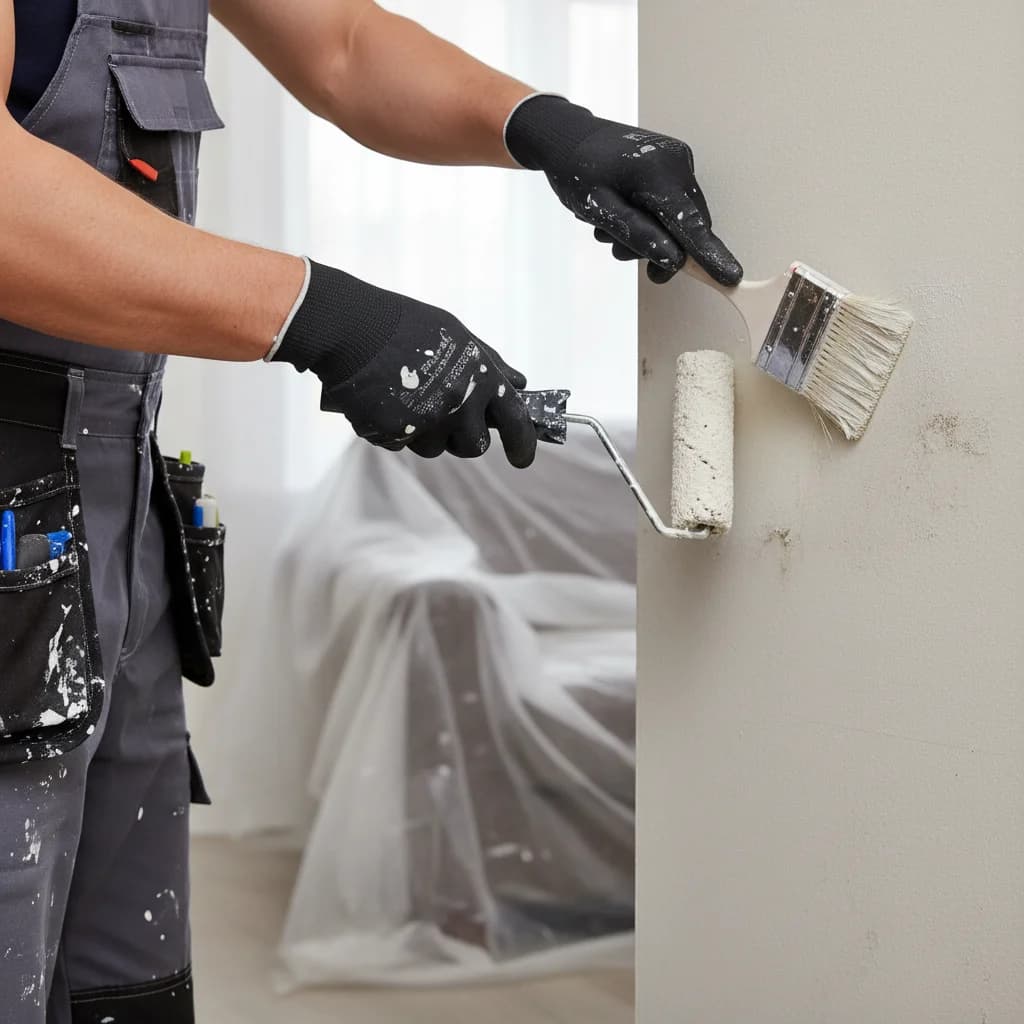
- Blaming tenants for condensation without investigating the root cause
- Applying mould wash without addressing the underlying damp problem
- Failing to respond to tenant reports in writing
- Not documenting inspections and remedial work
- Treating mould as a cosmetic issue rather than a health hazard
- Waiting for a formal complaint before taking action
Worked example, when 'blame the tenant' backfires
James lets a 1-bed flat in Lincoln city centre. Tenant Priya reports black mould on the bedroom wall. James replies that it's a condensation problem caused by drying clothes inside, and tells her to ventilate more. Priya escalates to the local authority who serve an HHSRS Category 1 improvement notice. The inspecting officer finds an unventilated bathroom and a bridged cavity, both landlord-side issues. James gets a civil penalty of £8,000, plus he has to do the works anyway. Lesson: investigate first, conclude later. Even if condensation is the cause, you'd need a survey to evidence it.
£30k
max civil penalty for failing to address damp and mould
HHSRS enforcement
24 hrs
emergency repair window for imminent health risk
Awaab's Law
10 days
working days to investigate a potential significant hazard (social landlords)
Awaab's Law
How we can help
We carry out HHSRS-compliant damp and mould surveys across Lincoln and Lincolnshire. Each survey includes thermal imaging, moisture analysis, mould classification, and a detailed written report with recommendations. If remediation is needed, we handle everything from mould treatment to ventilation improvements, replastering, and redecorating, all through our in-house team.
A full damp survey with a written report is £300, including VAT, and a standalone HHSRS mould report is £120. The written report gives you a clear record of the findings and the cause, which is the documentation a landlord needs when a tenant raises damp or mould.
LWR Group
Property Services Lincoln & Lincolnshire
More Reading
Related Articles

House Clearance Costs in Lincoln: What You Pay Per Van Load, and What Pushes It Up
Read article
Commercial Landlords: What Should Actually Be in a Lease Before a Tenant Moves In?
Read article
New Rules for Landlords in 2026: Section 21, Awaab's Law and EPC C
Read article
Handyman Prices UK 2026: Hourly Rates, Minimum Charges and What Jobs Cost
Read articleLincoln Landlords
Need a hand with a Lincoln rental? LWR Group handles everything from tenant changeovers to refurbishments: one call, one contractor.
Need Help With Your Property?
Skip the reading. Call us or WhatsApp for a free quote.