

Guest article by BuildingCosts.co.uk
Three Ways to Add a Bedroom to a Rental Property, and What Each One Really Costs
Garage conversion, dormer loft or rear extension: what each route to an extra rental bedroom costs, how long it takes and the catches to check first.
Subyyal Rehman
BuildingCosts.co.uk
24
Guides
Practical property guides
250
Readers A Day
Across the LWR blog
10
Min Average Read
Time spent on each guide
Property Guides From Lincoln
Ask a room of landlords how to get more rent out of a property and the answer comes back quickly: add a bedroom. A two-bed that becomes a three-bed jumps a rent band. It suits sharers who each want their own room, and families who were about to look elsewhere. The extra value when you sell does no harm either.
The harder question is where the bedroom comes from, because the gap between the cheapest route and the dearest is not small. It is roughly £9,000 against £55,000. I run a building-cost site, and these are the three routes landlords actually use, with the figures we publish and the catches nobody mentions until the builders arrive.
Start with the room you already own: the garage
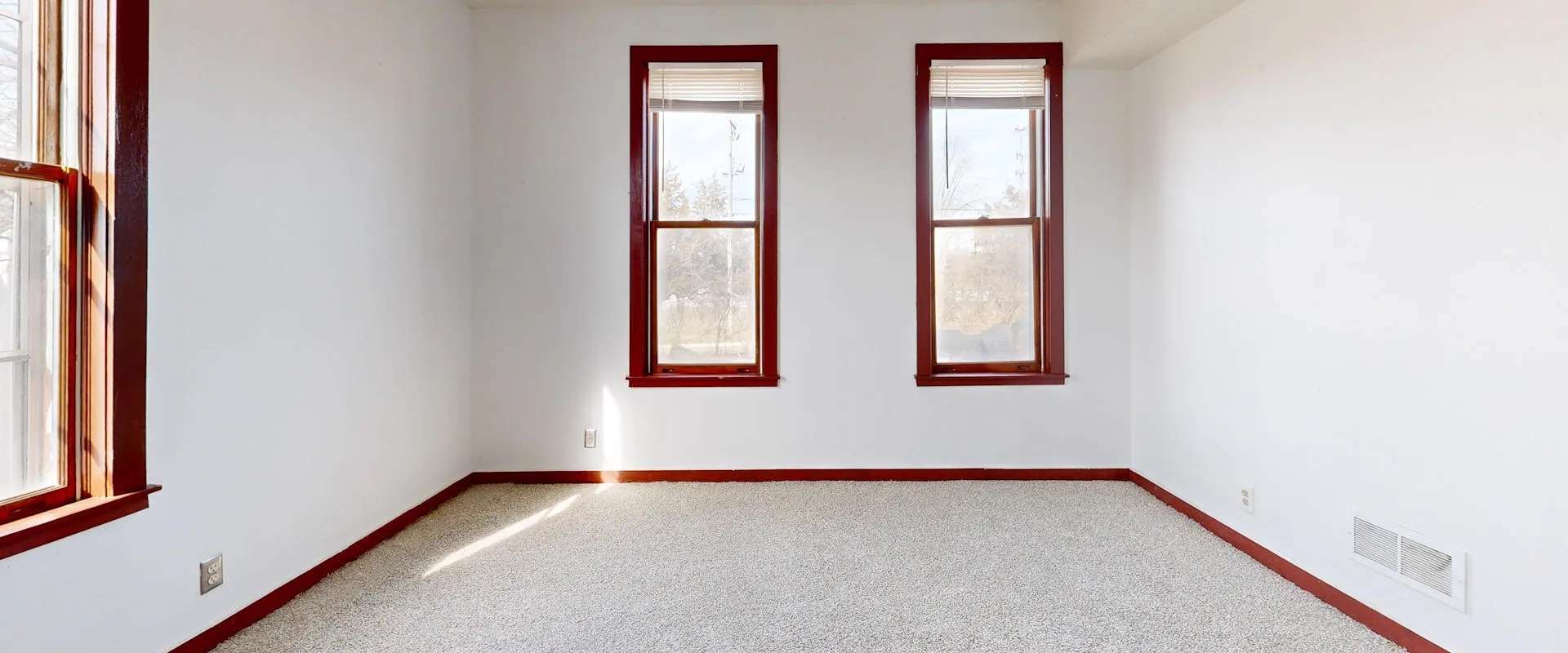
If the house has a single garage, look there first. Most tenants use a garage for boxes and bikes, not the car. Turning it into a bedroom is the cheapest room you will ever add: £9,000 to £16,000 for a straightforward conversion, up to about £22,000 if you add an en-suite and finish it well. A double garage costs £16,000 to £32,000 and gives you a big double room, sometimes a room plus a bathroom.
The work is mostly inside the existing shell. Insulate the walls and floor, brick up the door opening and put a window in, run the heating and electrics through, plaster, done. Building control will want their fee, usually £500 to £900, and the whole job takes three to five weeks.
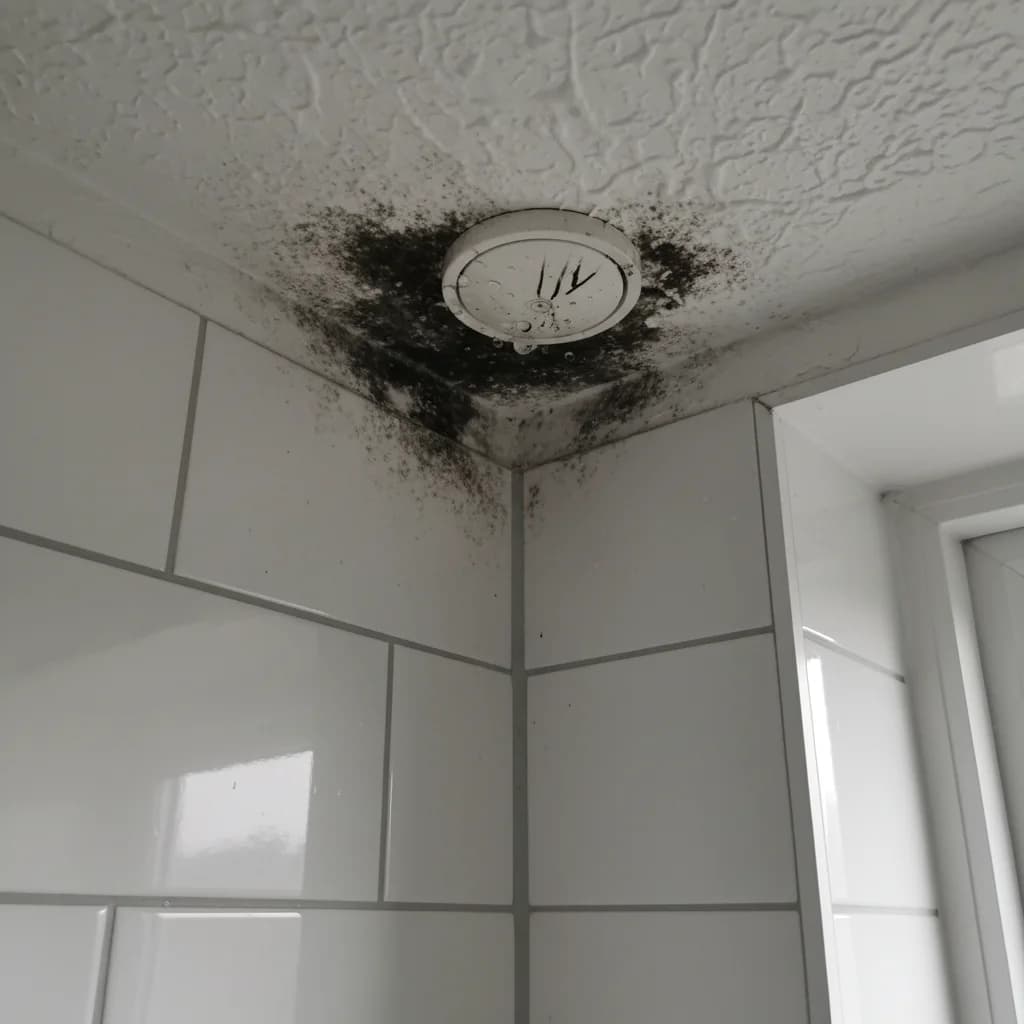
Two things catch people out. The first is parking. On a street where cars fight for kerb space, taking the garage away can cost you more tenants than the bedroom wins. The second is damp. A garage was built to keep a car dry, not to be lived in, and a cold converted room with poor ventilation is exactly where condensation and mould turn up. Get the insulation and ventilation right at the start. It is far cheaper than sorting a mould problem with a tenant already in place.
Most garage conversions sit within permitted development, but some newer estates had those rights taken away when they were built. Check before the work starts, not after.
Need a Hand With Your Rental? See How We Help Landlords or Join the LWR Group.
The loft: a proper bedroom, at a proper price
A dormer loft conversion gives you a real double bedroom, often with a small en-suite, and you keep the garage and the garden. For a typical house, budget £38,000 to £55,000. Bigger lofts and higher finishes run to £48,000 to £68,000.
What moves the price is head height, how much structural work the roof needs, and one thing landlords forget to count: the stairs have to land somewhere. On a lot of houses the staircase takes the little box room on the first floor. You gain a big bedroom and lose a small one, which changes the maths more than people expect. We go through what drives the price, item by item, in our dormer loft conversion guide.
Time is the other cost. Six to ten weeks on an empty property is a long time with no rent coming in, which is why the loft suits landlords holding for the long term, in areas short of family homes. For a quick turnaround, it rarely stacks up.
The extension: most flexible, most disruptive
A single-storey rear extension of 3 metres by 4 metres costs £24,000 to £38,000 at a standard finish, with a basic finish starting nearer £18,500. It is the dearest way to buy one bedroom, but it is the only route that can give you a bedroom and a bigger kitchen, or a second bathroom, in the same build.
The downsides are foundations, drainage, a longer build, and a smaller garden at the end of it, and plenty of tenants pick a house for the garden. Extensions earn their money when the property is already empty for a refurbishment and the builders are on site anyway. As a standalone project just to add one room, the numbers are hard to defend.
The maths to do before any of it
Whichever route you fancy, three sums come first.
What will the extra bedroom actually fetch on that street? Look at what similar houses with the extra room are achieving, not what they are advertised at.
How long will the property sit empty? Say the rent is £900 a month. That is roughly £210 a week. Three empty weeks is about £630 of lost rent. Ten weeks is about £2,100. Suddenly the cheap conversion with the short build looks cheaper still, and the gap between the routes gets wider, not narrower.
And tell your insurer. A house with an extra bedroom is a different house. The rebuild cost on the policy needs to go up with it, because a bigger property costs more to put back if the worst happens. Landlords get caught by this more often than you would think.
Do those three sums before you ring a single builder. Nine times out of ten, the best bedroom is the one the house is already hiding.
Guest article by BuildingCosts.co.uk
BuildingCosts.co.uk is a UK building cost guide site. This article was written for the LWR Group blog by Subyyal Rehman.
Got a question on your situation?
Need a Hand With Your Rental?
We help landlords and letting agents across Lincoln and Lincolnshire with the operational side of property maintenance, voids, damp surveys, compliance documentation. Tell us what's on your plate.
Typical response within 24 hours, or WhatsApp 07383 485 714 for fastest.

Got a Question?
Tell us your situation and we'll come back inside 24 hours.