
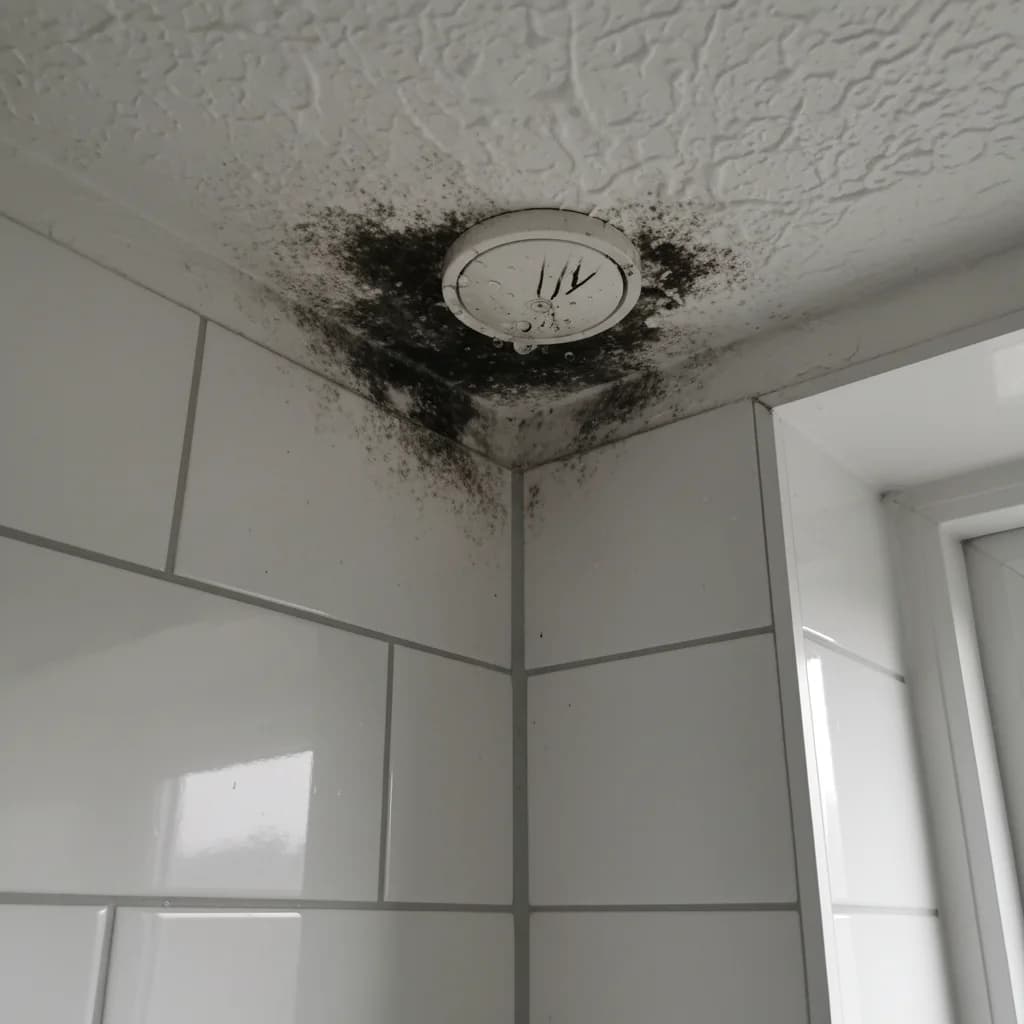
Mould in a rental property is stressful for everyone. Tenants worry about their health. Landlords worry about liability. Letting agents are caught in the middle. The question that comes up every time is: whose responsibility is it?
The answer depends on what's causing the mould. Here's how to work out who's responsible, what the law says, and what to do about it.
This is a guide, not legal advice
Every mould dispute has its own facts. Speak to your solicitor or a specialist damp surveyor before relying on a position. We can recommend specialists in Lincoln or Lincolnshire we've worked with.
Ask us for a recommendationThe short answer
In the UK, mould is almost always the landlord's responsibility unless it can be clearly demonstrated that the tenant's lifestyle is the sole cause. Even then, the burden of proof sits with the landlord. Blaming the tenant without evidence is a common and costly mistake.

Important shift in the law
Recent legislation, including the Homes (Fitness for Human Habitation) Act 2018 and Awaab's Law, has significantly strengthened tenant protections. Courts and local authorities now take a much harder line on landlords who fail to address mould promptly.
Settle The Mould Question With Evidence Book a Damp Survey or Join the LWR Group.
When mould is the landlord's responsibility
Structural cause
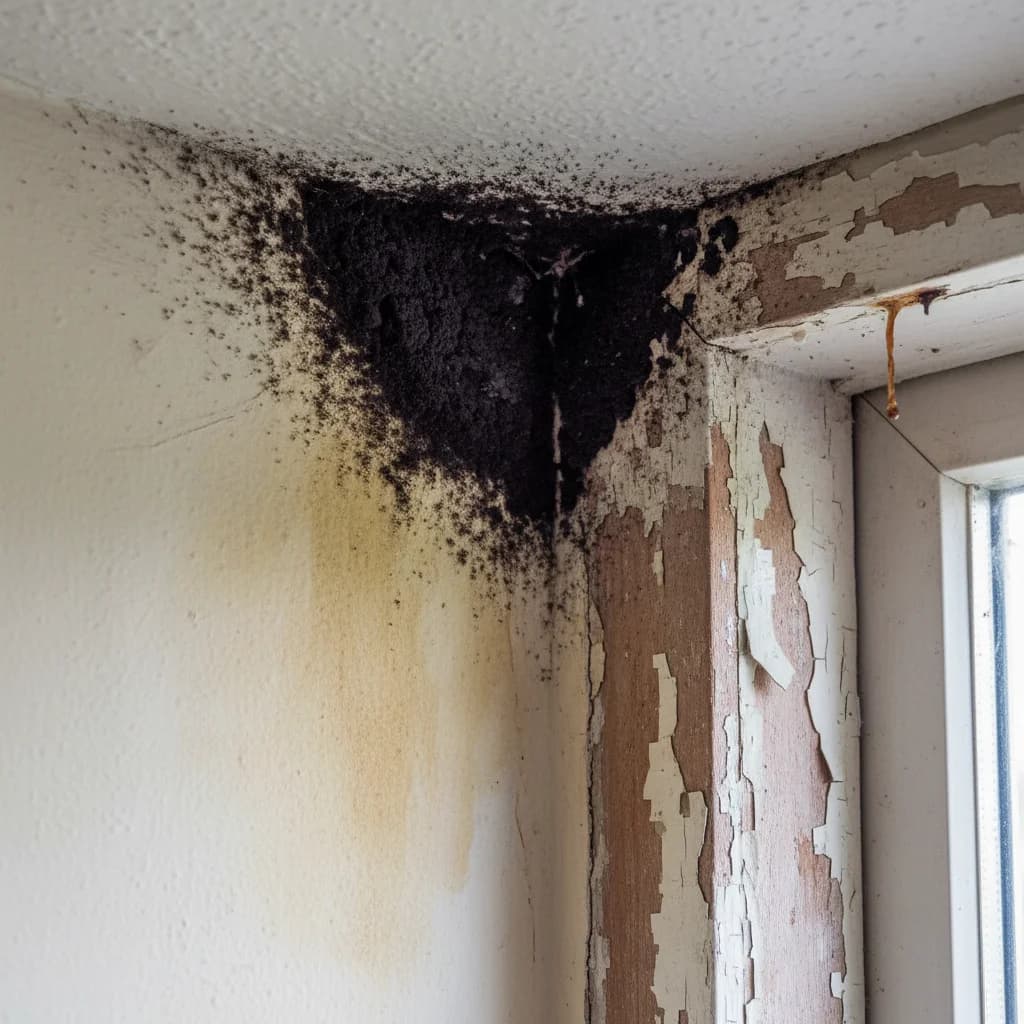
The landlord is responsible for mould when it's caused by a defect in the property or a failure to maintain it. This includes:
Under Section 11 of the Landlord and Tenant Act 1985, landlords must maintain the structure and exterior of the property, plus all installations for water, gas, electricity, and heating. If any of these systems contribute to damp conditions, the landlord is liable.
When mould might be the tenant's responsibility
Lifestyle cause
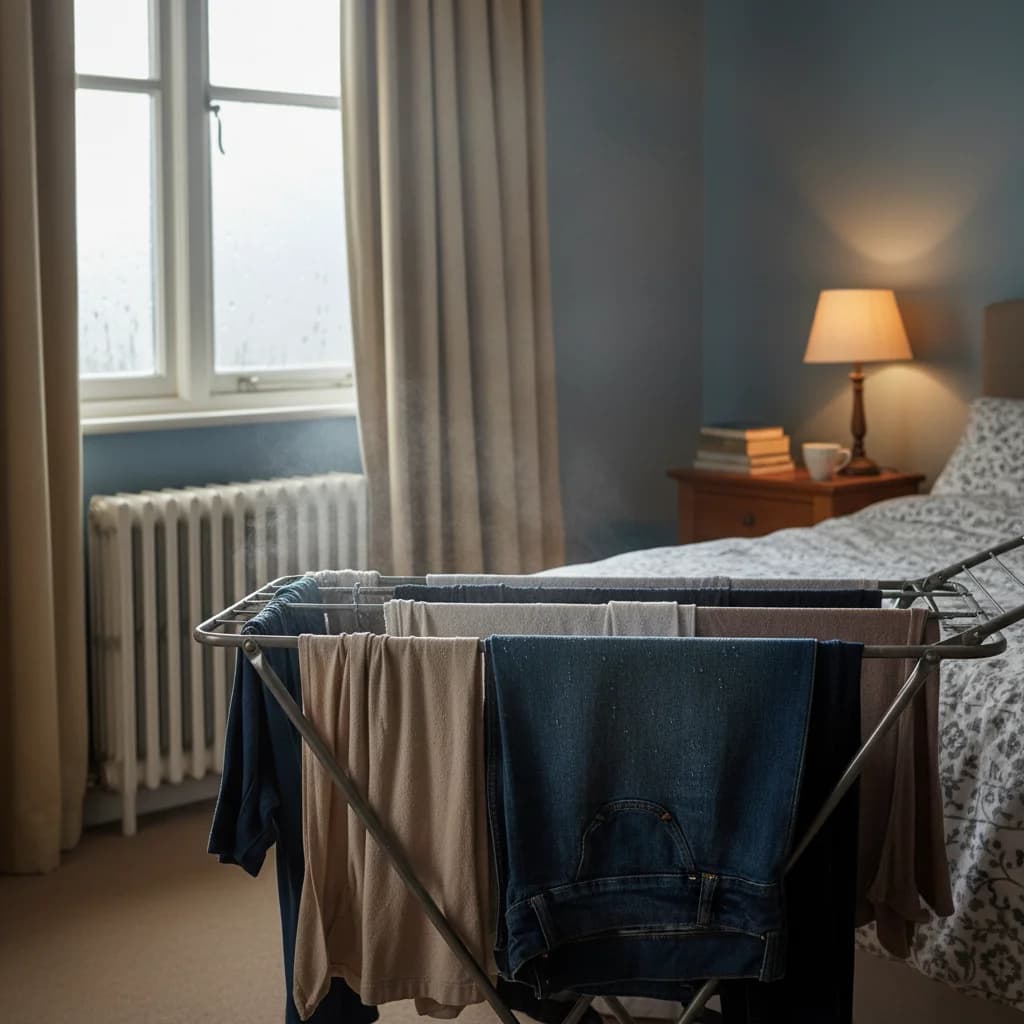
A tenant may be responsible if the mould is caused entirely by their lifestyle choices, with no contributing structural or maintenance factors. This is a narrow exception and difficult to prove. Examples include:
- Consistently drying laundry indoors without ventilation despite adequate facilities being available
- Blocking or switching off extractor fans
- Keeping windows permanently closed in high-moisture rooms when trickle vents and extractors are available
- Overfilling a property beyond its design capacity
- Refusing access for the landlord to inspect or carry out remedial work
The burden of proof
If a landlord claims mould is caused by tenant lifestyle, they must prove it. A professional damp and mould survey is the only reliable way to establish the cause. 'It's just condensation' without a survey is not a defence.
What the law requires landlords to do
The legal framework
Legal obligations
- Respond to tenant reports of mould promptly, in writing
- Investigate the cause: commission a professional survey if needed
- Fix the root cause (not just clean the visible mould)
- Ensure the property is fit for human habitation throughout the tenancy
- Comply with HHSRS: damp and mould is a Category 1 hazard if it poses a health risk
- Meet Awaab's Law timescales (currently social housing, expected to extend to private sector)
What happens if you do nothing?
Doing nothing has a cost
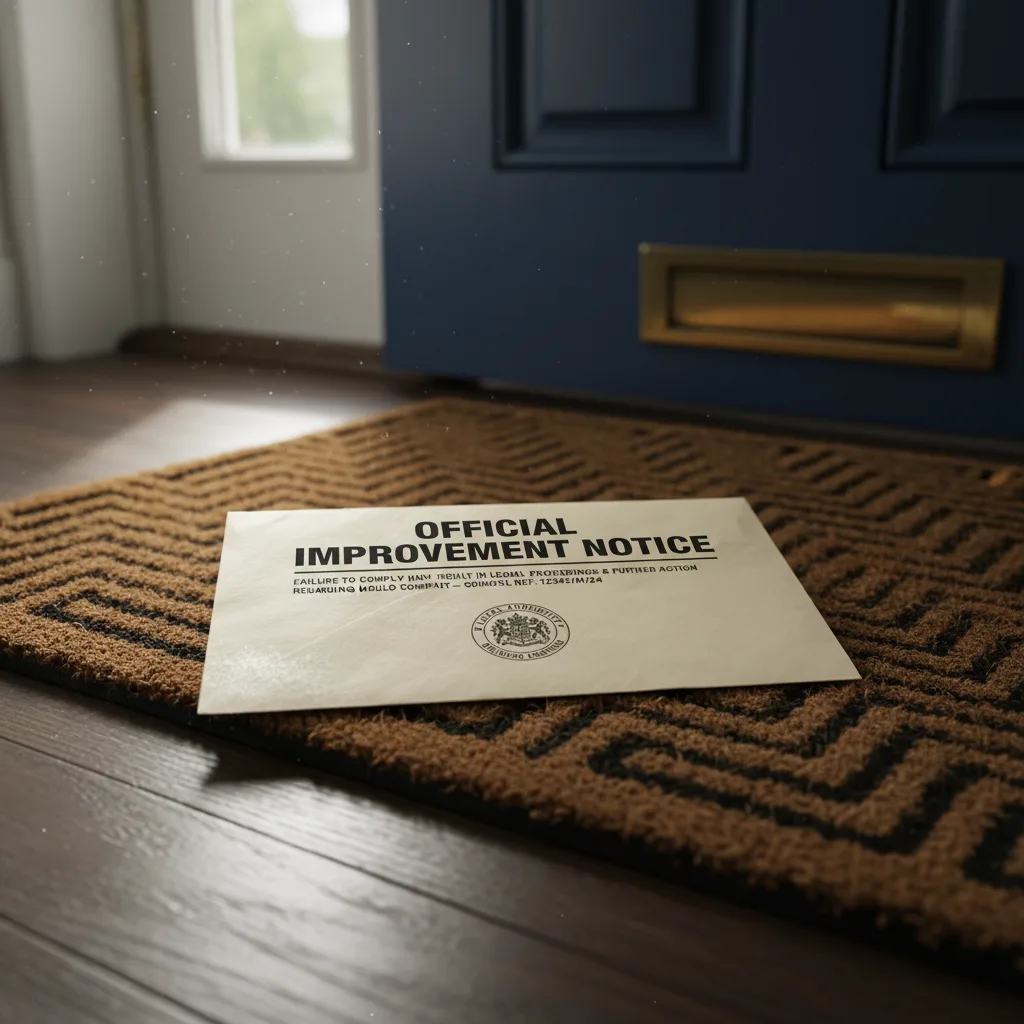
Ignoring mould complaints is one of the most expensive mistakes a landlord can make. Potential consequences include:
- Local authority improvement notices with deadlines for remediation
- Civil penalties of up to £30,000 per offence
- Prosecution for serious or persistent failures
- Rent repayment orders: tenants can claim back up to 12 months of rent
- Personal injury claims if a tenant's health is affected
- Inability to serve Section 21 notices if the property is in disrepair
£30k
max civil penalty per offence for ignoring mould
HHSRS enforcement
12 months
max rent a tenant can claim back via RRO
Rent Repayment Orders
Cat. 1
HHSRS hazard rating, most serious classification
Gov.uk
“'It's just condensation from the tenants' is not a defence. Without a professional survey, you cannot prove the cause, and ignorance provides no protection under HHSRS.
— LWR Group damp survey team, Lincoln
The right approach
Evidence-first
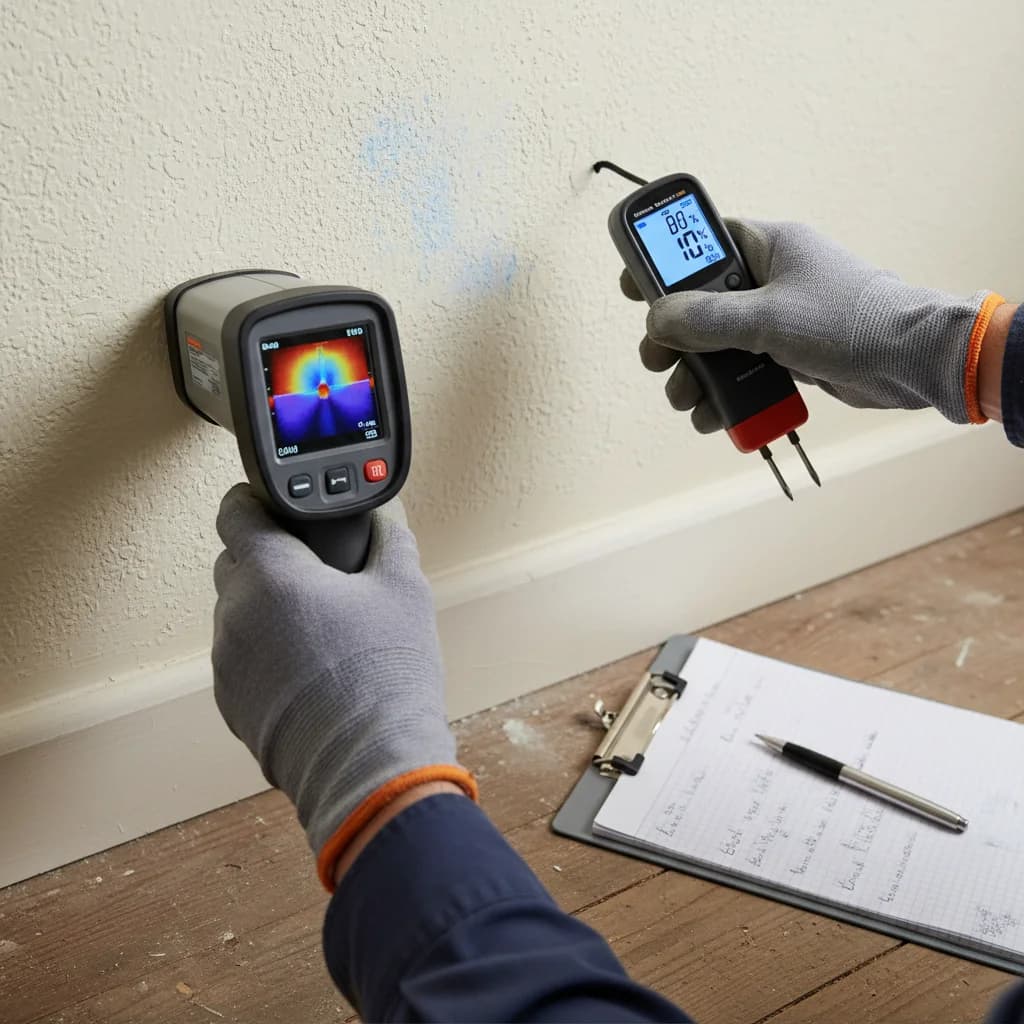
Whether you're a landlord or a letting agent, the safest approach is to take every mould report seriously and investigate promptly. A professional damp and mould survey costs £300 and provides the documentation you need, either to demonstrate due diligence or to confirm that the cause is structural and needs fixing.

Sister brand: The Damp & Mould Man
Our sister brand, The Damp & Mould Man, carries out damp and mould surveys across Lincoln and Lincolnshire. You get a written report setting out what is causing the problem and the work needed to put it right, and we can quote for that work.
Visit The Damp & Mould ManWorked example, settling the question with a survey
Tom rents out a 2-bed Victorian terrace in Lincoln. His tenant Maya reports black mould on the bedroom wall and threatens to escalate to the council. Tom commissions a damp survey through The Damp & Mould Man for £120. The thermal report shows two cold-bridging points on the external wall (Tom's responsibility) plus high indoor humidity from Maya drying clothes indoors (Maya's contribution). Tom installs additional insulation (£800) and writes to Maya asking her to use the existing extractor fan and trickle vents. Mould treated, dispute defused, and both sides know exactly what they're responsible for. Without the survey, the whole thing becomes a council enforcement case.
Awaab's Law: the social housing timescales
Awaab's Law was introduced by the Social Housing (Regulation) Act 2023, named after two-year-old Awaab Ishak, who died in 2020 from a respiratory condition caused by mould in his family's housing association flat in Rochdale. It formally applies to registered social housing providers, but the Renters' Rights Act 2025 allows it to be extended to private rented homes, and damp and mould can already be a Category 1 hazard under the Housing Health and Safety Rating System in private lets.
Statutory timescales
The Awaab's Law Clock
- 01
Day 0
Landlord becomes aware
The clock starts the day the landlord becomes aware of a potential hazard. Day 1 is the next working day.
- 02
10 working days
Investigate
Investigate a potential significant damp and mould hazard within 10 working days.
- 03
3 working days
Written summary
Send the tenant a written summary of the findings within 3 working days of the investigation, including what will be done and when.
- 04
5 working days
Make it safe
Complete the work needed to make a significant hazard safe within 5 working days of the investigation.
- 05
24 hours
Emergency
Investigate and make safe an emergency hazard within 24 hours.
Common mistakes landlords make
- Blaming tenants for condensation without investigating the root cause
- Applying mould wash without addressing the underlying damp problem
- Failing to respond to tenant reports in writing
- Not documenting inspections and remedial work
- Treating mould as a cosmetic issue rather than a health hazard
- Waiting for a formal complaint before taking action
LWR Group
Property Services · Lincoln & Lincolnshire