

Guest article by Z Home Services
"Professionally Cleaned" Is Not a Condition: A Better Handover Standard for UK Landlords
Why "professionally cleaned" is a weak handover standard, and a room-by-room way to define, photograph and compare cleanliness at check-in and check-out.
Z Home Services
End of tenancy and deep cleaning company, Wimbledon
24
Guides
Practical property guides
250
Readers A Day
Across the LWR blog
10
Min Average Read
Time spent on each guide
Property Guides From Lincoln
At the end of a tenancy, disagreements about cleaning often begin with an unhelpful phrase: "The property must be professionally cleaned." It sounds clear, but it describes who might do the work rather than the condition the property should be in.
A receipt from a cleaning company does not prove that every inventory item is clean. Equally, a tenant who cleans carefully themselves may return a property in excellent condition without buying a professional service. For landlords and agents, the more reliable approach is to define the required outcome, document the starting condition and inspect the same items at check-out.
This room-by-room handover standard turns "clean" into something that can be seen, photographed and compared.
Start with the legal and evidential position
In England, the Tenant Fees Act guidance says a landlord or agent cannot require a tenant to pay for a professional clean as a condition of the tenancy. The tenant remains responsible for returning the property in the same condition as at the beginning, allowing for fair wear and tear. The current wording can be checked in the GOV.UK Tenant Fees Act guidance.
That distinction matters. A landlord is not trying to prove that a particular type of contractor was used. The useful question is whether the property is less clean than the documented check-in condition, and whether any reasonable cleaning cost claimed is supported by evidence.
A strong file normally contains:
- a detailed check-in inventory with dated photographs;
- clear descriptions of cleanliness, not just decorative condition;
- the tenant's comments or agreed amendments at the start;
- check-out notes and photographs taken from comparable angles; and
- an itemised invoice or quotation where remedial work is needed.
Words such as "good condition" are too broad. "Oven interior clean, trays free from burnt-on food, extractor filter free from grease" is much easier to compare later.
Need a Hand With Your Rental? See How We Help Landlords or Join the LWR Group.
Build the handover around zones, not one vague checklist
A property can look tidy while still failing a detailed cleanliness inspection. Dividing the handover into zones helps the landlord, tenant, inventory clerk and cleaner work from the same standard.
Entrance and circulation areas
The entrance creates the first impression and also collects grit from the rest of the property. Check:
- front and internal doors, including finger marks around handles;
- door frames, thresholds and the tops of skirting boards;
- switches, sockets and intercom handsets;
- stairs, bannisters and the edges of fitted carpet; and
- cupboards containing meters, consumer units or cleaning equipment.
Photographing only the centre of a hallway misses the places where dust and cobwebs gather. One wide photograph and several close-ups are more useful.
Kitchen
The kitchen produces the largest number of cleaning disputes because grease and food debris hide in components that are easy to overlook. The standard should cover:
- worktops, splashbacks and sealed edges;
- cupboard fronts, handles, shelves and drawers;
- the oven cavity, trays, racks, door glass and control panel;
- hob rings or zones and the surrounding surface;
- extractor hood, removable grease filters and accessible casing;
- fridge and freezer interiors, seals, drawers and drain channels;
- dishwasher filters and accessible detergent compartments;
- sink, taps, plughole and limescale-prone edges;
- the floor beneath movable appliances where access is safe; and
- bins and recycling containers supplied with the property.
Appliances should be switched off or moved only when it is safe and consistent with the manufacturer's guidance. A handover checklist should never encourage a tenant or cleaner to disturb gas, hard-wired or plumbed-in equipment.
Bathroom and WC
"Bathroom cleaned" can conceal very different results. Record the visible standard for:
- toilet bowl, seat, hinges, base and surrounding floor;
- bath, shower tray, screens and accessible tracks;
- tiles, grout and silicone, noting permanent staining separately;
- taps, shower heads and other fittings;
- basins, vanity storage and mirrors;
- extractor covers and ventilation grilles; and
- plugholes and accessible hair traps.
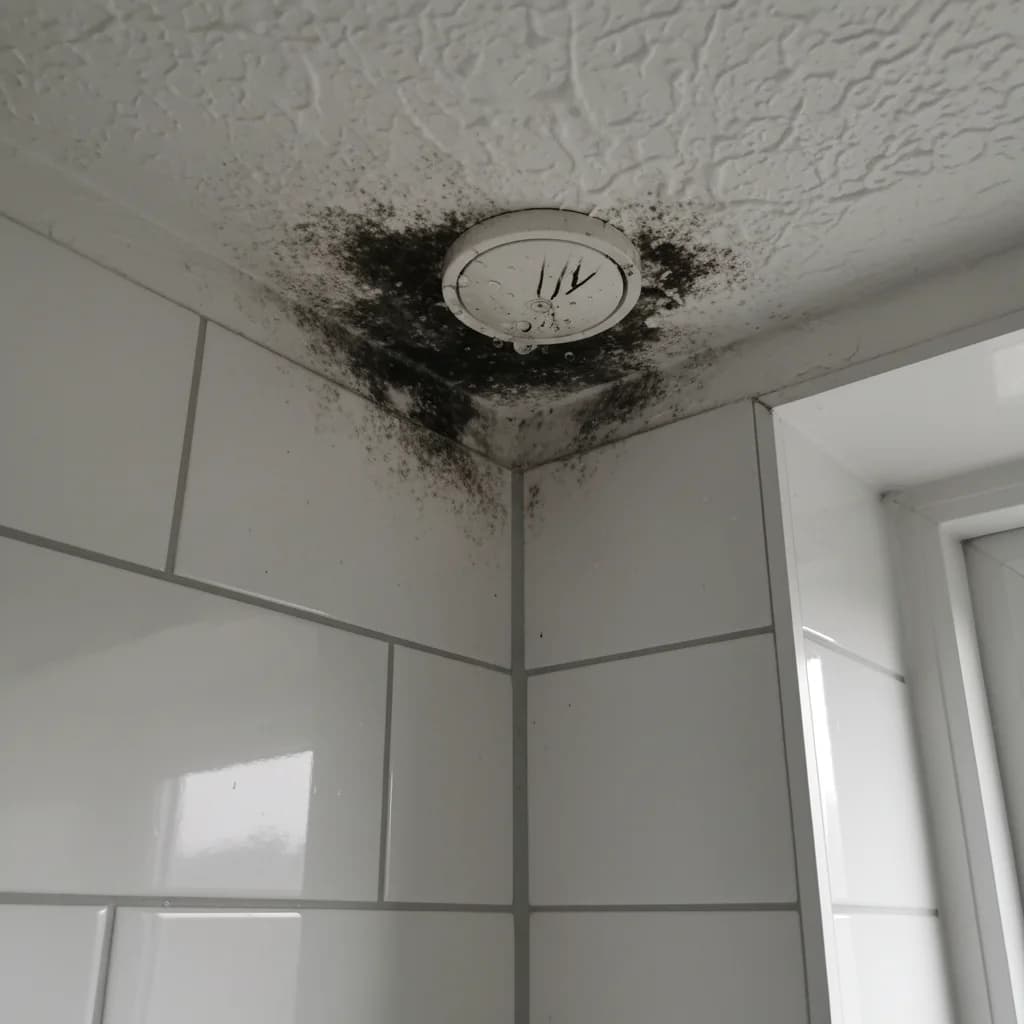
It is important to distinguish removable limescale or soap residue from failed silicone, damaged grout or mould caused by a building defect. Cleaning cannot repair a maintenance problem, and the check-out report should not pretend that it can.
Bedrooms and living rooms
These rooms are usually less technical, but dust is easily missed. Include:
- wardrobes and fitted storage, inside and out;
- window glass where included, frames, tracks and sills;
- radiators, including accessible tops and gaps;
- light fittings and accessible shades;
- curtain poles, blinds and supplied curtains;
- skirting boards, door edges and picture rails; and
- floors, carpet edges and areas previously covered by furniture.
Where furniture is supplied, inspect drawers, the space beneath removable cushions and accessible surfaces behind items. Existing scratches, stains and wear should already be recorded at check-in so they are not confused with cleaning.
Separate cleanliness from damage and wear
A check-out report is stronger when it categorises observations correctly.
- Cleanliness: dust, grease, food residue, hair, removable marks or debris.
- Damage: burns, chips, broken fittings, torn fabric or unauthorised holes.
- Fair wear and tear: deterioration arising from reasonable use over time.
- Maintenance: leaks, failed seals, defective ventilation or appliance faults.
A discoloured carpet may need cleaning, repair or replacement depending on the cause. Describing what is visible before deciding the remedy reduces assumptions and makes quotations easier to compare.
Use a two-stage inspection
The most efficient handovers have two inspections rather than one rushed visit at the deadline.
Stage one: the pre-check. Complete this several days before handover if possible. It identifies work that needs drying time, specialist equipment or contractor access. Examples include an oven with heavy carbon deposits, stained upholstery, limescale build-up or post-repair dust.
Stage two: the final check. Carry this out after all people, possessions and waste have left. Work from the entrance through each room in the same order as the inventory. Check in daylight and with internal lights on. Photograph exceptions, not just attractive wide shots.
This sequence prevents a common problem: cleaning is completed, then a decorator, removals team or maintenance contractor creates more dust and footprints.
Give cleaners the inventory, not just an address
Where a professional clean is chosen, the contractor should know what the handover will be judged against. Share the relevant inventory pages, flag delicate finishes, explain which appliances and furnished items are included, and identify any areas that are out of scope.
For London lets, the Z Home Services team recommends completing repairs and decorating before the final clean wherever possible, then allowing enough time for a landlord or agent to inspect the result before key handover.
A re-clean arrangement can be useful, but it is not a substitute for a clear specification. Access, timing and the exact points requiring attention should be documented promptly.
A practical final record
Finish with a short handover sheet containing:
- property address and inspection date;
- names or roles of those present;
- meter readings and key count where relevant;
- room-by-room cleanliness exceptions;
- photograph references;
- items requiring repair rather than cleaning; and
- any agreed remedial action and deadline.
The sheet does not need to be complicated. Its value comes from matching the language and sequence of the check-in inventory.
Conclusion
"Professionally cleaned" is a weak handover standard because it focuses on a transaction rather than a result. A better process defines observable conditions, records the starting point, separates cleaning from maintenance and compares like with like at check-out.
For landlords, this produces clearer instructions and better evidence. For tenants, it makes expectations more transparent. For cleaners and inventory clerks, it replaces guesswork with a practical specification. Most importantly, it helps everyone focus on the condition of the property instead of arguing about a label.
Guest article by Z Home Services
Z Home Services is an end of tenancy and deep cleaning company based in Wimbledon, working with tenants, landlords and letting agents across London. Services include end of tenancy, deep, carpet and upholstery, oven and after-builders cleaning.
Got a question on your situation?
Need a Hand With Your Rental?
We help landlords and letting agents across Lincoln and Lincolnshire with the operational side of property maintenance, voids, damp surveys, compliance documentation. Tell us what's on your plate.
Typical response within 24 hours, or WhatsApp 07383 485 714 for fastest.

Got a Question?
Tell us your situation and we'll come back inside 24 hours.