

Guest article by The Damp & Mould Man
How to Prevent Mould This Winter: A Practical Guide for Landlords and Letting Agents
Practical ways to keep condensation and mould out of rental homes this winter, the warning signs to look for and when to get a survey.

The Damp & Mould Man
Damp and mould surveys, Lincoln
24
Guides
Practical property guides
250
Readers A Day
Across the LWR blog
10
Min Average Read
Time spent on each guide
Property Guides From Lincoln
Mould in a rental property is rarely a surprise. It tends to appear in the first cold snap, when the windows are shut, the heating is on and the washing is drying indoors. For landlords and letting agents, a few cheap habits and fixes before and during winter are far easier than dealing with a complaint in February.
This guide covers what causes winter mould, what to do about it day to day, which products are worth buying, and when a survey makes more sense than another round of cleaning. It is written by The Damp & Mould Man.
Why mould appears in winter
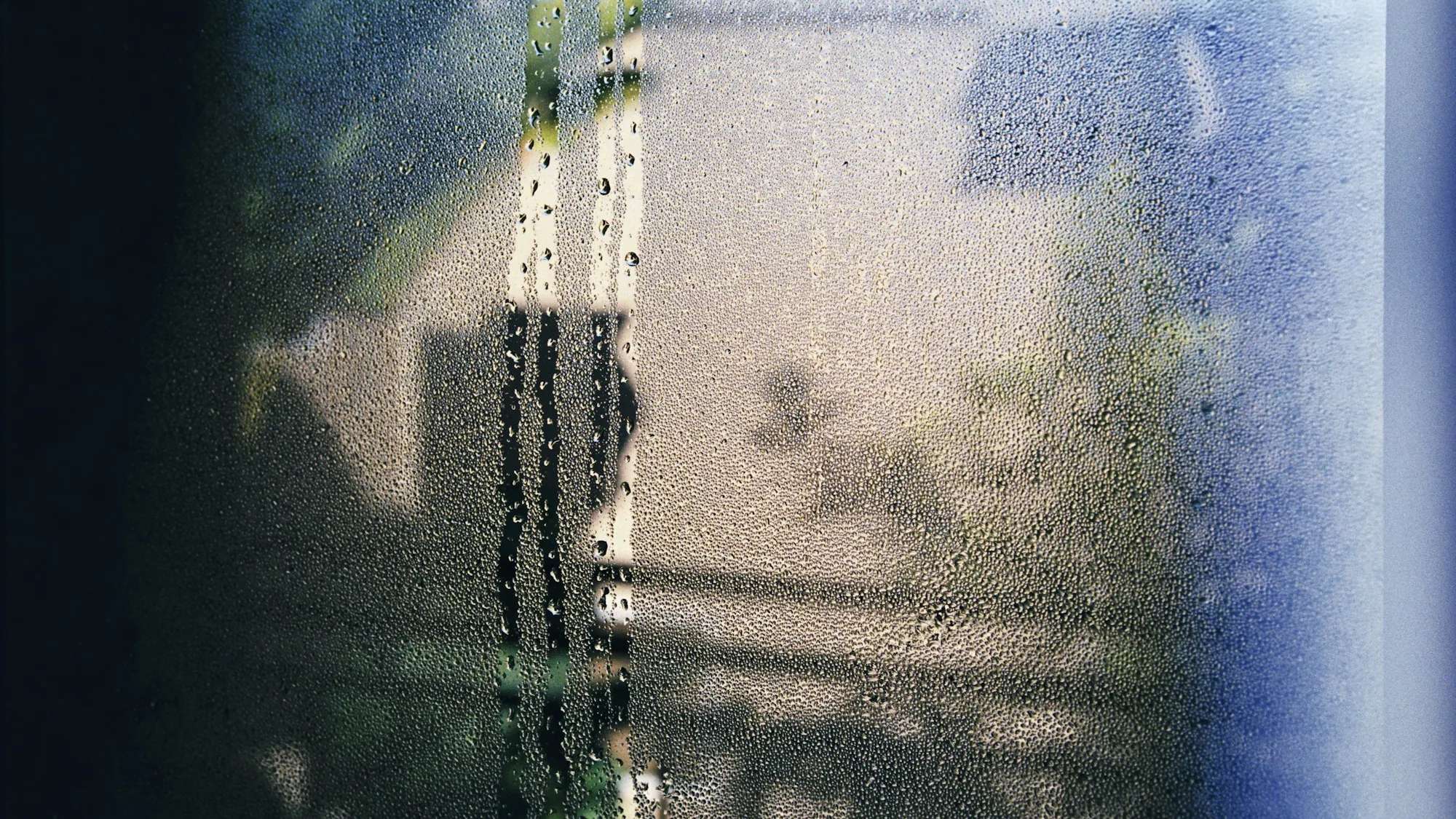
Most winter mould is caused by condensation. Warm indoor air holds moisture from cooking, showering, breathing and drying clothes. When that air meets a cold surface, such as a window, an external wall corner or the back of a wardrobe, the moisture turns into water. Mould grows where that water keeps coming back.
Condensation is not the only cause. A leak, a faulty gutter or damp coming through a wall can look very similar, which is why it is worth being sure what you are dealing with before you treat it. DMM's complete guide to black mould explains how mould is identified.
If you want the legal side, who is responsible and what is expected of landlords, we cover that separately in Who Is Responsible for Mould: Landlord or Tenant? and Awaab's Law 2026: Timescales, Private Landlords and What to Do Now.
Get a Written Answer on the Cause Get Remote Advice or Join the LWR Group.
Ventilation is the biggest fix
- Run extractor fans during showers and cooking, and for a while afterwards. Fans only work if they are switched on, so check they are not blocked, clogged with dust or isolated.
- Open a window for a short burst each day, rather than leaving one slightly open all day. A few minutes lets the damp air out without chilling the walls.
- Keep trickle vents on windows open. They are there for a reason.
- Put lids on pans and use the cooker hood when cooking.
- Keep the doors of steamy rooms closed so the moisture goes out of the window or fan, not into the bedrooms.
- Leave a gap between furniture and external walls, and avoid packing wardrobes tight against them. Air needs to move behind them.
Heating and drying washing
Steady, moderate heat works better than short bursts of high heat. Cold walls and windows are where condensation forms, so a low constant background temperature is better than letting a property go cold between hot spells. If a property will be empty for a few weeks, keep the heating on low and have someone open a window now and then.
Drying washing indoors puts a lot of water into the air. Where it has to be done inside, use a room with the door closed and a window open or a dehumidifier running, and keep wet washing off the radiators in bedrooms.
Products that help
None of this needs expensive kit. These are the things we most often suggest. The links go to Amazon search results, so you can choose the size and price that suit the property.
A humidity monitor. A small digital one shows you the humidity in a room so you are not guessing. Many guides suggest keeping indoor humidity roughly between 40% and 60%. If it stays higher than that, ventilate more or run a dehumidifier. Search humidity monitors on Amazon.
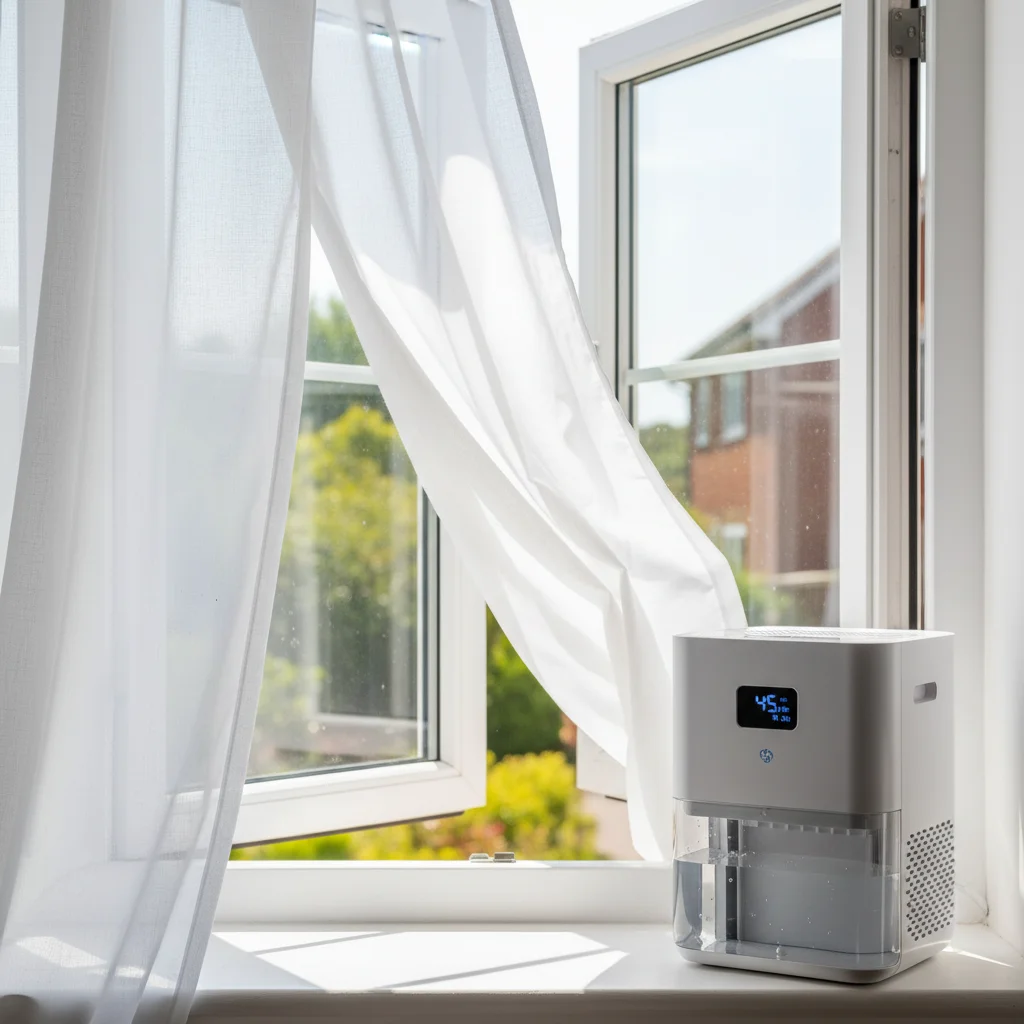
A dehumidifier. Useful in a room where washing has to dry indoors or where condensation keeps coming back. Check the tank size and the room size it is rated for. Search dehumidifiers on Amazon.
A window vacuum or squeegee. Wiping the water off windows and sills in the morning stops it soaking into frames and seals. Search window vacuums on Amazon.
A mould and mildew cleaner. For a small patch of surface mould on a hard surface, follow the instructions on the label, keep the room ventilated while you use it, and wipe the mould off rather than spraying over it. If the mould is widespread, keeps coming back or is on plaster or other soft surfaces, get it looked at instead (see below). Search mould and mildew cleaners on Amazon.
Affiliate links
As an Amazon Associate, The Damp & Mould Man earns from qualifying purchases. The Amazon links in this article are affiliate links, and they cost you nothing extra.
Early warning signs to look for
- Condensation on windows that is still there in the middle of the day.
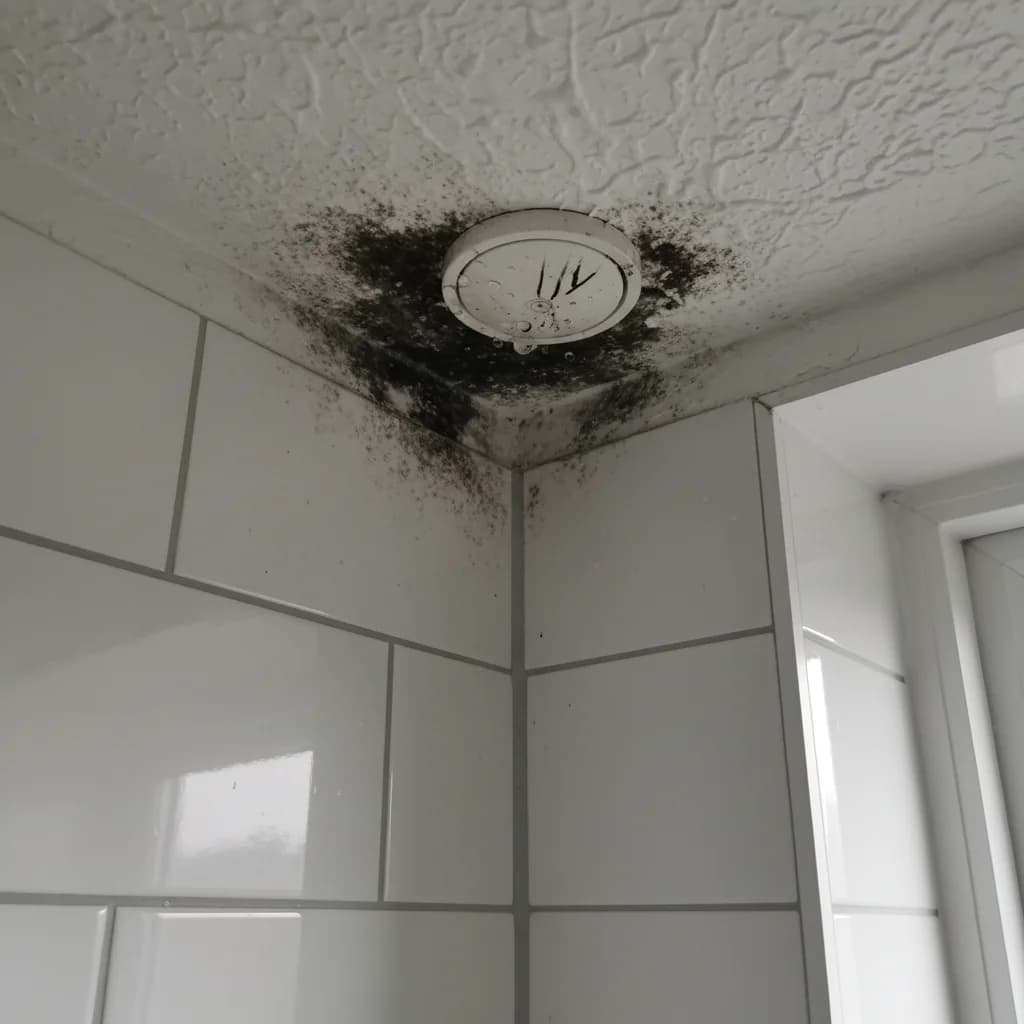
- Black or green spotting in corners, on ceilings, around window frames and behind furniture.
- A musty smell in a room that is otherwise clean.
- Peeling paint or wallpaper, or damp patches that appear and spread.
- Mould that comes back within weeks of being cleaned.
Bathrooms and ceilings are the usual starting points. DMM's guide to bathroom and ceiling mould causes and fixes goes through the common causes and what usually fixes them.
What landlords and agents can do before winter
- Check that extractor fans work and that vents are not blocked or painted over.
- Fix leaks, blocked gutters and failed seals promptly, before the damp gets into the fabric of the building.
- Give tenants a short, plain note on ventilation and drying washing at the start of the tenancy.
- Keep a dated record of what you checked and what you did, with photos. It helps if a tenant reports mould later.
- Respond quickly when a tenant reports mould, and take the report seriously.
For what the law expects landlords to do about damp and mould, see the guidance on GOV.UK. If anyone living in the property has health concerns about mould, they should speak to their GP or NHS 111 (nhs.uk), not rely on an article like this one.
When to get a survey instead of another clean
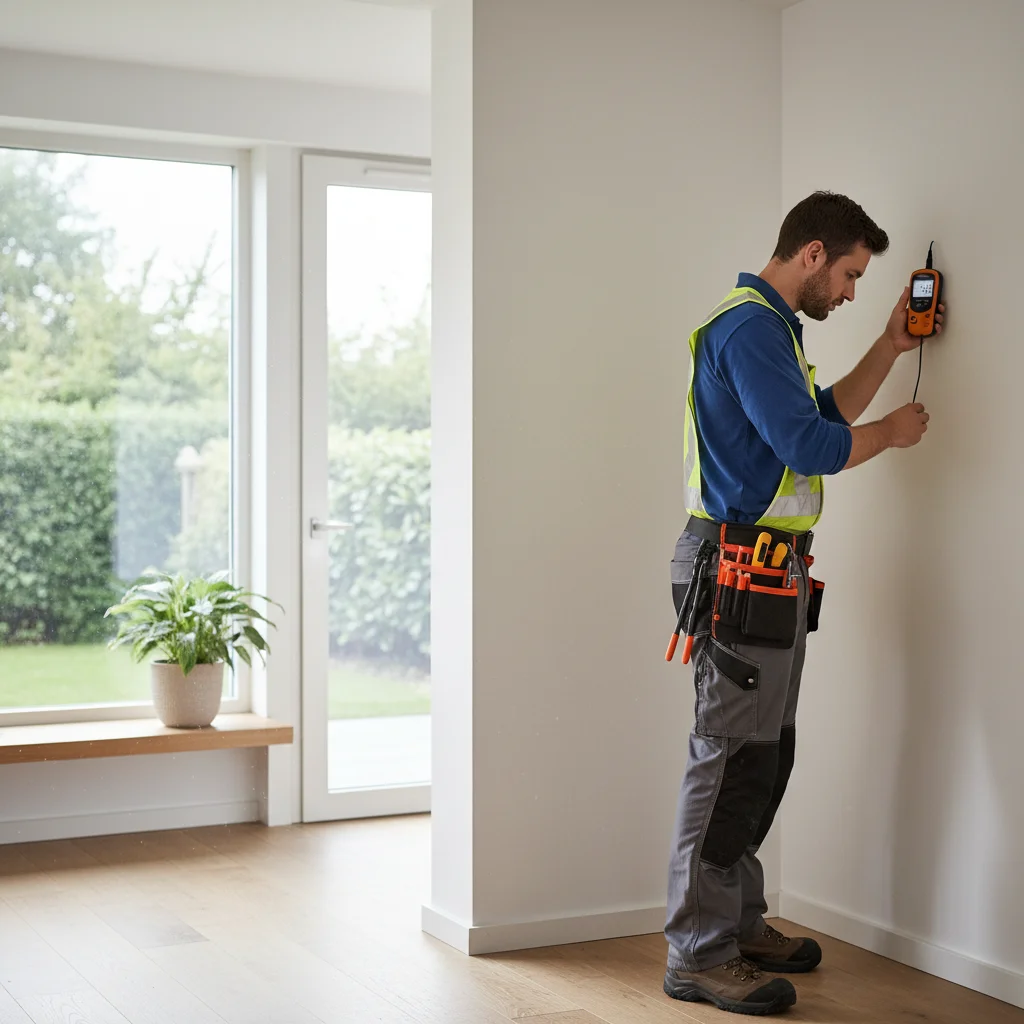
Cleaning treats the surface. If mould keeps returning, appears on several walls, or you cannot tell whether it is condensation, a leak or damp coming through the wall, a survey will tell you what is causing it and what to do first. The Damp & Mould Man carries out damp and mould surveys across Lincoln and Lincolnshire: book a damp survey in Lincoln.
Not in Lincolnshire, or want a first opinion before paying for a visit? Remote damp and mould advice works anywhere in the UK. You send photos and video, and you get a written report with their estimate of the cause and what to do next. It is an estimate from what you send, not a substitute for a visit, and if they think a visit would give you a clearer answer, they will say so.
Not sure what is causing it?
Send photos and video to The Damp & Mould Man and get a written report with their estimate of the cause and what to do next. No site visit needed.
Get remote damp and mould adviceGuest article by The Damp & Mould Man
The Damp & Mould Man carries out damp and mould surveys and written reports across Lincoln and Lincolnshire.
Mould coming back?
Get a Written Answer on the Cause
The Damp & Mould Man can survey the property or, if you would like a first opinion, review photos and video remotely and send you a written report.
Typical response within 24 hours, or WhatsApp 07383 485 714 for fastest.
Not Sure What Is Causing It?
Send photos and video to The Damp & Mould Man and get a written report with their estimate of the cause and what to do next.