

Damp & Mould
Surveys in Lincolnshire
Professional mould and damp surveying with thermal imaging, certified reports, and clear remediation plans. Compliant with HHSRS and Awaab's Law. From £100.
From £100 +VAT
Full HHSRS survey
PCA Certified
Trusted by councils & agents
Reports in 48hr
Plain-English findings
Photo Evidence
On every inspection
Surveying through The Damp & Mould Man
LWR Group offers professional mould and damp surveying through our specialist division. We provide comprehensive property assessments, certified reports, and clear remedial recommendations to help landlords, letting agents, and homeowners comply with current legislation and protect tenant health.
“We see properties in Lincoln where the tenant has been reporting mould for two years and the landlord has painted over it three times. Under Awaab's Law (Social Housing Regulation Act 2023, s.10), that approach now carries significant legal risk. The only defensible position is a written HHSRS-compliant survey with a remediation plan.”
What's Included
Full Survey Breakdown
Why It Matters
What You Can Expect
Certified Expertise
PCA certified surveys following HHSRS guidelines. Reports trusted by letting agents and councils.
Clear, Actionable Reports
Detailed evidence-based reports with photos, findings, and specific remediation recommendations.
Compliance & Peace of Mind
Full compliance with Awaab's Law and HHSRS requirements. Protect yourself and your tenants.
End-to-End Solutions
From survey to remediation, we can carry out the recommended work through our in-house team.
Mould-Specific Enquiries
For damp and mould survey bookings, email us directly:
mouldman@lwrgroup.co.ukReady to Book?
Book a Damp & Mould Survey
Lincoln and all surrounding Lincolnshire areas covered
More About Damp Surveys
Damp Surveys Across Lincolnshire
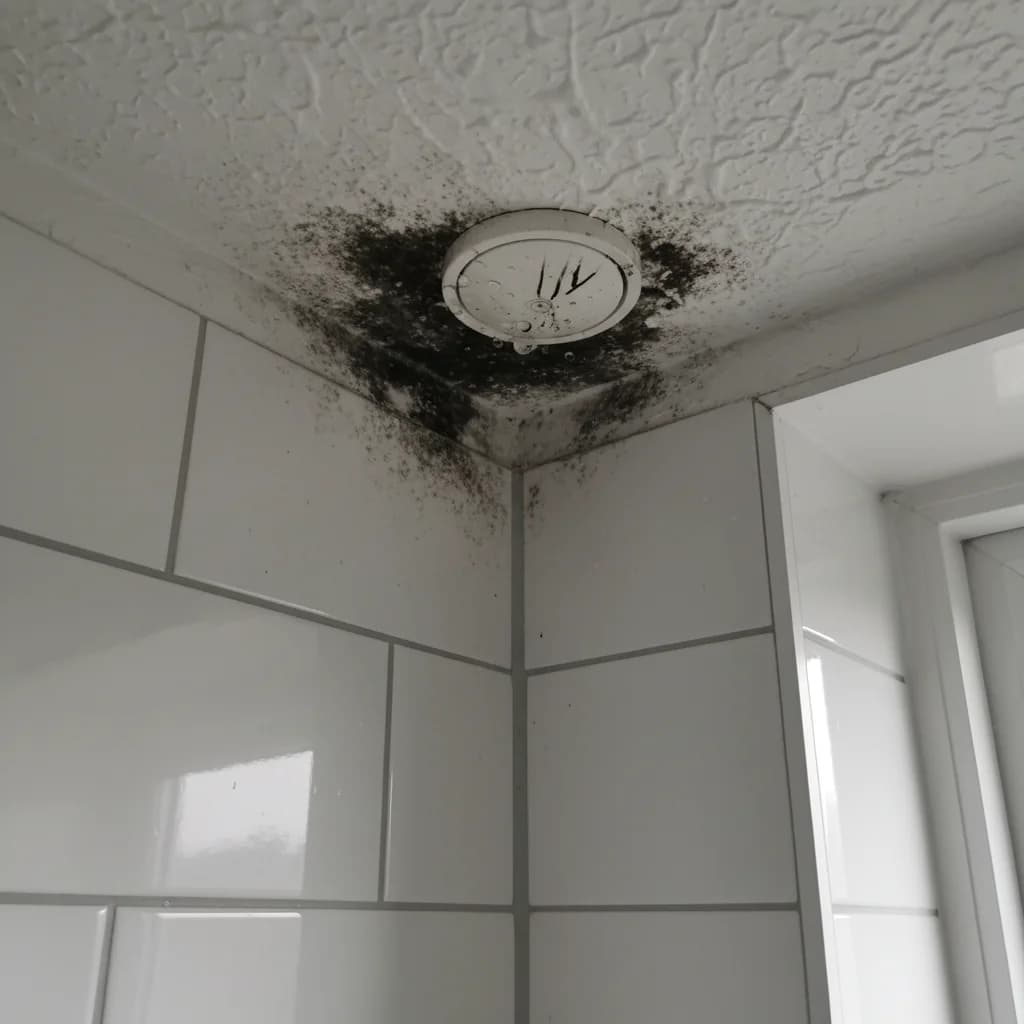
Damp surveys in Lincoln are typically requested by landlords ahead of tenancy change, by buyers during pre-purchase due diligence, or by homeowners trying to diagnose a persistent musty smell. Our Lincoln damp survey covers visual inspection, moisture readings, photo evidence, and a written report classifying any issues as rising damp, penetrating damp, condensation, or salt contamination.
Beyond Lincoln itself, we run damp surveys in Gainsborough, Sleaford, Grantham, Newark, Boston, Louth, Horncastle and the surrounding villages. Damp surveys Gainsborough and damp surveys lincolnshire-wide all start from £100 + VAT with a full written report inside 48 hours.
A survey is only useful if the work that follows is done well. We're one of a small number of property maintenance companies in Lincolnshire that both surveys and fixes — damp proofing, salt-treatment plaster, mould remediation, ventilation upgrades — without you needing a second contractor.
Common Questions
Damp & Mould FAQs
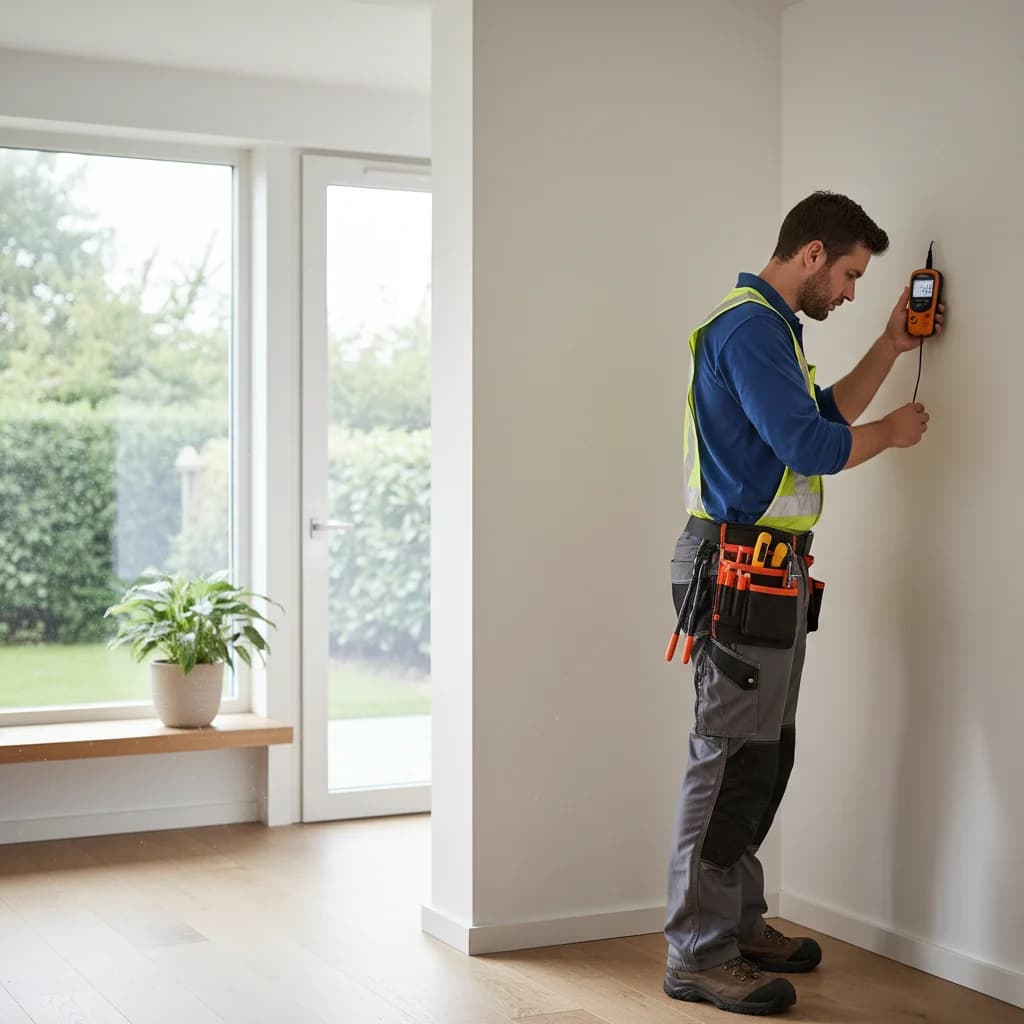
A full visual inspection, thermal imaging, moisture analysis, humidity readings, mould classification, and a detailed HHSRS-compliant written report with photos and remedial recommendations. Reports are prepared in line with the HHSRS category 1 and 2 hazard operating guidance (GOV.UK).
Yes. If the survey identifies work that needs doing, we can quote and carry out mould treatment, ventilation improvements, and redecorating through our in-house team.
We can usually attend within 48 hours of instruction and deliver the full report within 3-5 working days.
Damp and mould surveys start from £100, depending on the property size. Contact us for a specific quote.
Awaab's Law requires landlords to investigate and fix reported health hazards, including damp and mould, within set timeframes. Our surveys help you demonstrate compliance with these requirements. See our Awaab's Law guide for landlords for the full detail. Landlords in Lincoln should also be aware of Lincoln City Council housing enforcement powers under HHSRS.
Damp & Mould Guides
Read More on Damp & Mould
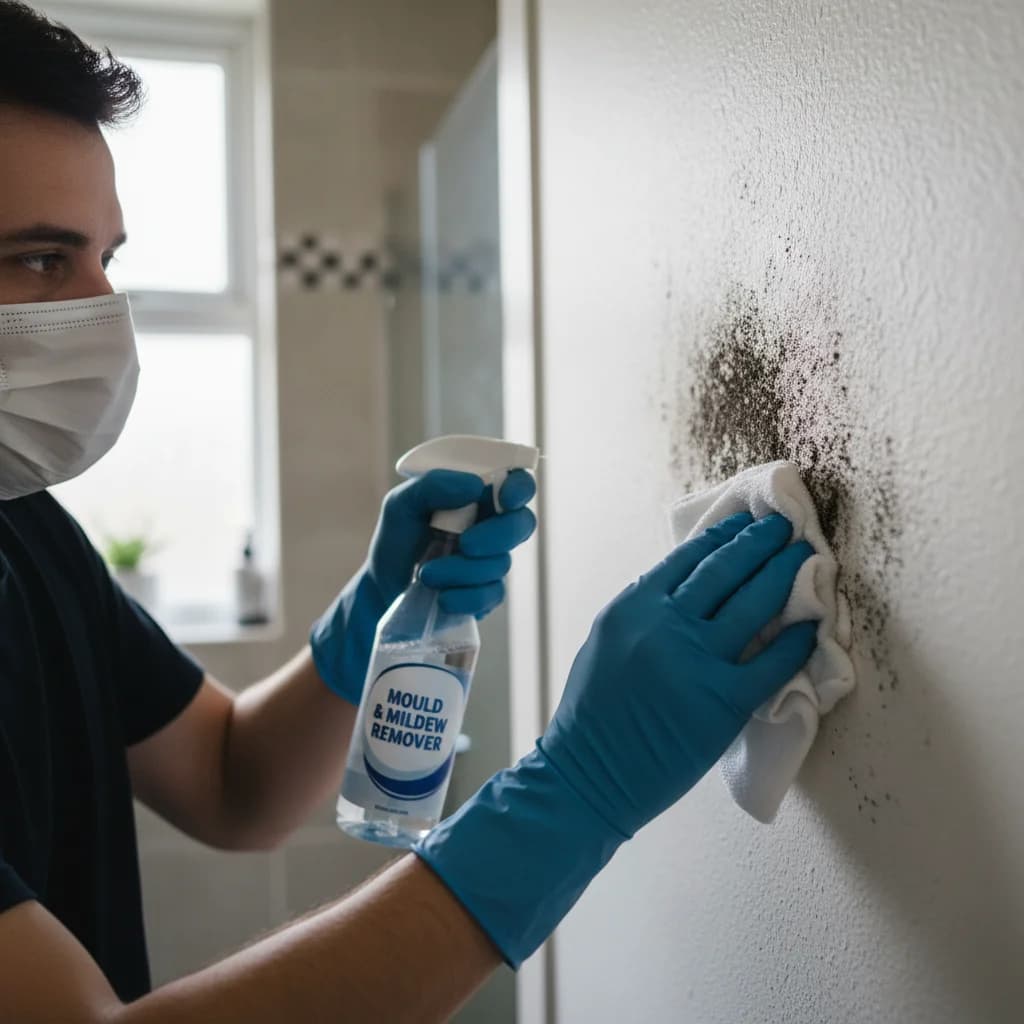

Concerned About Damp or Mould?
Book a professional survey. We'll identify the problem, report on it, and fix it.