

What Do I Do If I Get Mould? UK Step-by-Step Guide for Homeowners & Tenants
Found mould at home? UK step-by-step on how to identify, treat and prevent it — plus when to call a professional. For homeowners and renters.
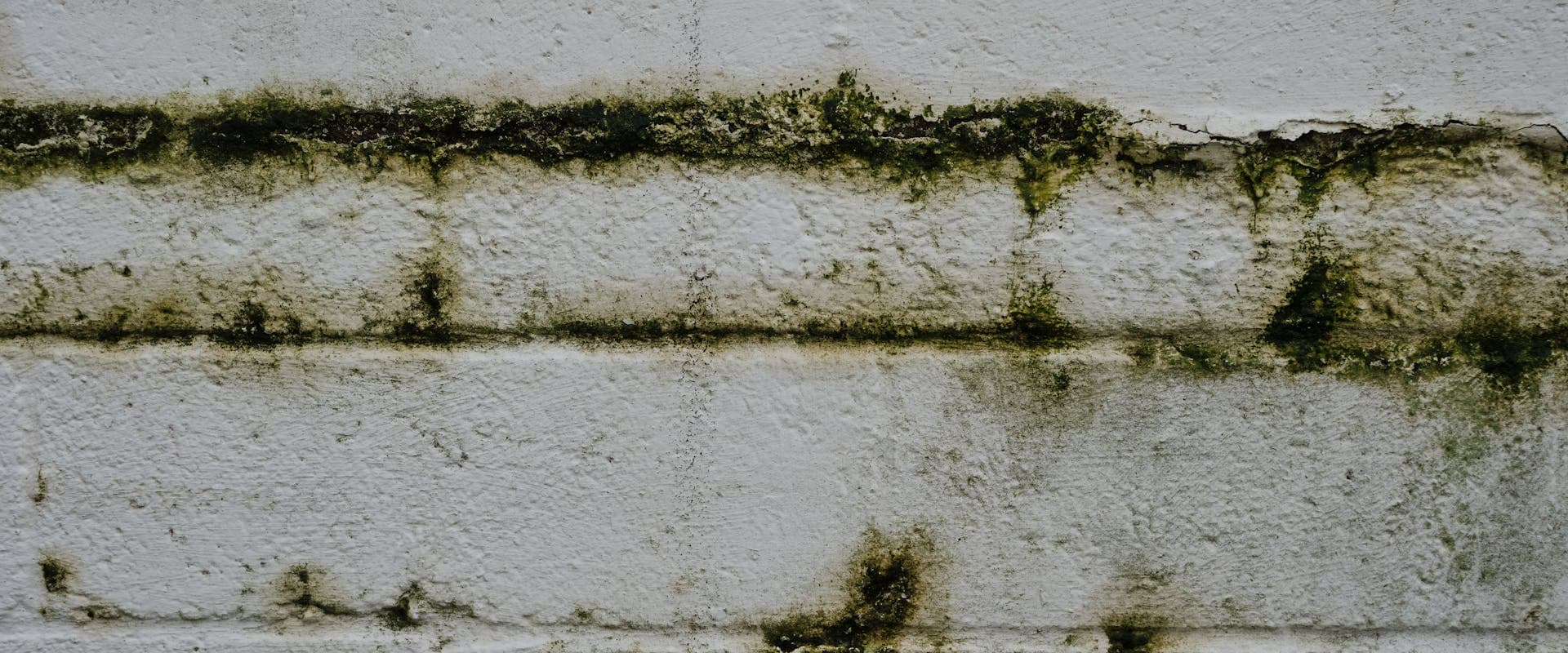
Spotting mould in your home is alarming, especially if it's the black, fuzzy kind. The good news: most household mould is treatable, the cause is usually identifiable, and you can stop it coming back if you handle it right. The bad news: doing it wrong — bleach-spraying it, papering over it, ignoring it — almost always makes it worse over time.
This guide walks through exactly what to do when you find mould, in the order it actually matters: identify it, treat it safely, find the cause, and stop it returning. It covers homeowners and tenants — including your rights and your landlord's responsibilities under UK law in 2026.
First, identify what you're dealing with
Mould vs damp — the difference
Damp is excess moisture in a building. Mould is a living fungus that grows when damp surfaces stay wet long enough. You can have damp without mould (e.g. a freshly leaked patch on a ceiling) and you can find mould long after the damp source has gone (e.g. behind furniture you've finally moved). Treating mould without fixing the damp is pointless — it'll come back within weeks.
Black mould vs other mould species
What people call 'black mould' is most often Cladosporium (olive-green to black) or Aspergillus (often blue-green or yellow-black). True 'black mould' — Stachybotrys chartarum — is rarer, slimier, and usually only on water-damaged drywall or wallpaper. All three can be cleaned by a homeowner if the patch is small, but Stachybotrys deserves more caution because it produces mycotoxins.
- Cladosporium: olive-green to brown, fluffy. Common indoor mould. Allergenic but rarely toxic.
- Penicillium: blue-green, powdery. Often on damp wallpaper, carpet, food. Can trigger respiratory issues.
- Aspergillus: yellow-green, sometimes black. Allergenic, can cause aspergillosis in vulnerable people.
- Stachybotrys (true black mould): dark, slimy when wet. Produces mycotoxins. Treat with caution.
Where mould tends to grow first
Mould needs three things: moisture, organic matter (paint, wallpaper paste, dust, fabric), and time without disturbance. The places it appears first in UK homes:
- Bathroom ceilings, silicone sealant, behind shower screens
- Kitchen — behind kettles, around the sink, behind the cooker if there's a cold external wall
- North-facing bedroom walls, particularly behind wardrobes and headboards
- Window reveals and behind blinds, where condensation pools
- Loft hatches, eaves, and under-stair cupboards (poor airflow)
- Behind sofas pushed flush against external walls
Is mould dangerous? Health risks explained
For most healthy adults, brief exposure to small mould patches causes no lasting harm — at worst a runny nose, mild cough, or itchy eyes. The risk increases significantly for: babies and young children, the elderly, anyone with asthma, COPD, or cystic fibrosis, and the immunocompromised.
Long-term exposure to large mould infestations is genuinely dangerous and has been linked to severe respiratory illness, including the case that led to Awaab's Law. If anyone in the household has worsening asthma, persistent cough, or unexplained sinusitis, treat the mould as urgent.
When to evacuate the room
Stop sleeping in a bedroom with active mould on the wall behind your bed until it's treated. The risk from spores is highest at night when you breathe slowly and deeply close to the source. Move to another room, or set up an air purifier with a HEPA filter while you treat it.
What causes mould in a house?
Three main causes in UK homes — and they need different fixes. Treating mould without identifying the cause is the #1 reason it comes back.
1. Condensation (the most common cause)
Around 80% of UK domestic mould is condensation-related. Warm, moist air from cooking, showering, drying laundry, and breathing meets cold surfaces (single-glazed windows, north-facing walls, behind furniture) and the moisture condenses. Over time, those wet surfaces grow mould. Signs: water droplets on windows in the morning, mould patches in cool corners and around windows, condensation behind furniture pushed against walls.
2. Penetrating damp
Water entering from outside — through a leaky roof, blocked gutter, cracked render, missing pointing, or a failed window seal. Mould patches appear on walls roughly where the water enters and tends to be more localised than condensation mould. Signs: damp patch in a single area, often spreading slowly, possibly with tide-marks. Often appears or worsens after heavy rain.
3. Rising damp
Ground moisture rising through walls because the damp-proof course has failed or is bridged (e.g. external soil piled above the DPC line). Always at ground-floor level, never higher than 1m. Tide marks, salt deposits, and crumbling plaster are typical signs. Less common than people assume — only ~5-10% of damp diagnoses turn out to be true rising damp.
We have a separate guide on Rising vs Penetrating vs Condensation Damp — worth reading if you're not sure which type you have, because the treatment differs completely for each.
Step-by-step: how to get rid of mould safely
Small patches (under 1 sq metre)
Most isolated mould patches up to about 1m² can be cleaned by a homeowner with the right approach:
- 1Open a window for ventilation. Wear an FFP3 mask, gloves, and old clothes you can wash on a hot wash afterwards.
- 2Wipe gently with a damp cloth dipped in mild detergent (washing-up liquid). Do not scrub vigorously — that aerosolises spores into the air.
- 3Spray with a dedicated mould remover (HG Mould Spray or Cillit Bang Mould Remover) or a 1:3 distilled white vinegar to water solution. Avoid bleach — it lightens the colour but the mould comes back faster.
- 4Leave 10-15 minutes, then wipe with a clean cloth. Bag the cloth in a sealed bag and bin it (don't reuse).
- 5Dry the surface fully with a clean towel. Run a dehumidifier or fan in the room for the next 24 hours.
- 6Repaint with anti-mould paint (Polycell or Ronseal) once fully dry — but only after the cause is fixed.
Why vinegar beats bleach
Bleach kills mould on the surface but can't penetrate porous materials like plaster. Within weeks the mould regrows from the deeper layer. Vinegar (acetic acid) penetrates and kills mould at a deeper level. Specialist mould sprays do the same — they're acidic, not chlorine-based.
Larger or recurring mould
If the patch is bigger than 1m², if it keeps coming back within weeks of cleaning, or if there's any visible water staining or damaged plaster, you've moved beyond a DIY job. The mould has likely embedded into porous materials and you need professional intervention to identify the moisture source and treat the affected materials.
Tools and cleaning products that actually work
- FFP3 mask (£3-£8) — proper protection from spores, far better than a basic dust mask
- Distilled white vinegar — cheapest effective treatment for porous surfaces
- HG Mould Spray or Cillit Bang Mould Remover — for hard surfaces, silicone, tiles
- Mould-resistant paint — for repainting after treatment
- Dehumidifier (£60-£200) — single best preventative tool for UK homes
- Hygrometer (£5-£15) — measures relative humidity. Aim for 40-60% indoors
When NOT to clean it yourself
- Anyone in the home has asthma, COPD, or is immunocompromised — call a professional from the start
- Mould is bigger than 1m² across multiple surfaces
- Mould keeps coming back within 2-4 weeks of cleaning
- Visible water staining, soft plaster, or sagging wallpaper — likely structural moisture issue
- Mould smell but no visible patch — could be hidden in wall cavities, under flooring, or in the loft
How to stop mould coming back
The 5-minute daily habits that work
- Open windows for 5-10 minutes every morning, even in winter — flushes moist air out
- Use the bathroom extractor fan during AND for 15 minutes after every shower
- Wipe condensation off windows in the morning rather than letting it pool on sills
- Keep wardrobes, sofas, and beds 5cm clear of external walls — air needs to circulate
- Don't dry laundry indoors on radiators — generates 5+ litres of moisture per load. Use a heated airer in a well-ventilated room or dry outdoors when possible
- Use lids on pans when cooking
We have a complete guide on Shock Ventilation — the single most effective daily habit for UK homes — that goes deeper into the technique.
Heating, ventilation, and moisture control
Mould thrives at low, fluctuating temperatures. The cheapest fix in many homes is keeping consistent low-level heating (15-18°C) rather than blasting heat for short bursts and letting the property cool. Cold walls + warm humid air = condensation = mould.
- Aim for 18-21°C in living spaces, 16-18°C in bedrooms (lower than common belief — too warm makes condensation worse)
- Maintain relative humidity between 40-60% (use a £10 hygrometer)
- Keep trickle vents open year-round — sealing them in winter is a common mistake
- Service or upgrade the bathroom extractor — most UK fans are too weak (need 60 litres/sec for a 4-person household)
Long-term fixes (PIV, extractor fans, insulation)
- Positive Input Ventilation (PIV) — a loft-mounted unit that gently pushes filtered air into the home. Game-changer for chronic condensation. £400-£800 installed.
- Upgraded extractor fans in kitchen and bathrooms — modern humidistat-controlled fans run when humidity rises. £100-£250 each installed.
- Cold-roof insulation (top up loft insulation to 270mm) — eliminates many cold-bridge mould patches in upstairs rooms. £400-£800 for a typical loft.
- Cavity wall insulation — but check independently first. Inappropriate cavity insulation has caused mould in some properties (water-bridged across the cavity).
- Double or triple glazing — replaces cold single-glazed windows where condensation pools.
Mould in a rented property — whose responsibility?
If you rent and you've found mould, the legal picture in 2026 is: landlords must keep the property fit for human habitation (Homes (Fitness for Human Habitation) Act 2018), and damp/mould caused by structural issues, leaks, or inadequate ventilation is the landlord's responsibility to remediate. Mould caused by tenant lifestyle (drying laundry indoors with no ventilation, never opening windows, blocked extractor fans) can fall on the tenant — but it's nuanced and many disputes go in the tenant's favour.
Awaab's Law (England, social housing)
Awaab's Law came into force in October 2025 for social housing in England. Social landlords must investigate reported damp and mould within 14 days and start remedial work within 7 days of the investigation. It's named after Awaab Ishak, a two-year-old who died from mould-related respiratory illness in social housing.
Renters' Rights Bill — what's changing for private rentals
The Renters' Rights Bill (passed 2025, in force during 2026) extends Awaab's Law-style timeframe obligations to the private rented sector. Private landlords will face the same 14-day investigation / 7-day remediation start deadlines. This is a major change — historically private landlords had no statutory deadline.
How to report mould to your landlord
Always in writing. Email is fine. Take dated photos. Specifically describe: location, size, when you first noticed it, any worsening, and any health impact on the household. Cite the Homes (Fitness for Human Habitation) Act 2018 — most landlords act faster when this is referenced.
What to do if your landlord ignores it
- 1Re-send your written request and keep a copy of every message
- 2Contact your local council's Environmental Health team — they can serve an improvement notice on the landlord under HHSRS
- 3Contact Citizens Advice for free legal guidance
- 4Consider commissioning your own independent damp and mould survey from a PCA-accredited specialist — typically £100-£300, useful as evidence
- 5If the landlord refuses to act and the mould is causing health harm, you may have grounds for a disrepair claim through housing solicitors. Legal aid is available for some tenants.
When to get a professional mould survey
DIY remediation works for small, contained patches with an obvious cause. Get a professional damp and mould survey if any of the following apply:
- The mould has returned within weeks of cleaning, multiple times
- There are mould patches in three or more rooms
- Anyone in the household has worsening respiratory symptoms
- You're a landlord wanting documented evidence (Awaab's Law / HHSRS compliance)
- You're in a dispute with a landlord, letting agent, or insurance company
- You suspect rising or penetrating damp rather than condensation
- The property is old, listed, or has unusual construction (timber-frame, solid wall, basement)
A professional survey identifies the cause (not just the symptom), maps moisture levels, classifies the mould species if needed, and provides a written remediation plan. Typical cost: £100-£300. For landlords, the report is also an HHSRS-compliant document for council inspectors and Awaab's Law compliance.
Our specialist division, The Damp & Mould Man, provides HHSRS-compliant damp and mould surveys across Lincoln and Lincolnshire. Detailed reports within 48 hours, thermal imaging on every survey, surveys from £100+VAT. We can also carry out the remediation works directly through LWR Group — one team, one quote, one invoice. Visit thedampandmouldman.co.uk to book or call 07383 485 714.
Mould FAQ
What can mould do to your health?
Short-term exposure to small mould patches typically causes mild allergic reactions: runny nose, cough, watery eyes, and skin irritation. Long-term exposure to extensive mould — especially Stachybotrys (true black mould) — can cause persistent respiratory infections, worsening asthma, sinusitis, fatigue, and in severe cases lung damage (aspergillosis). Risk is highest for babies, young children, the elderly, and anyone with existing respiratory conditions or compromised immunity.
How do I tell if it's damp or mould?
Damp is wetness — a darkened patch, water staining, soft plaster, salty deposits. Mould is a living growth — fuzzy, green/black/blue, often patchy and circular as it spreads. You almost always have damp first, then mould develops on the damp surface within 24-72 hours. Treating one without the other is futile.
Can I just clean mould off myself, or do I need a professional?
Small isolated patches up to 1m² in a hard, easy-to-clean surface (tile, sealed paint) — DIY is fine with proper PPE. Larger areas, recurring mould, anyone vulnerable in the home, soft furnishings or porous walls — professional. Calling a professional from the start often saves money in the long run because DIY cleaning of large areas usually fails.
How long does mould take to grow back after cleaning?
If you've only cleaned the surface but not fixed the cause: typically 2-6 weeks before visible regrowth. If you've fixed the moisture source AND cleaned: zero regrowth. The cleaning itself is rarely the issue — it's whether the underlying damp problem has been resolved.
Can mould spread to other rooms?
Mould spores travel through the air constantly — they're in every home in microscopic quantities. Spreading happens when conditions in another room support growth (cool surface, high humidity, organic surface, time). Disturbing existing mould (sanding, scraping, vigorous cleaning) releases far more spores into the air than letting it sit, which is why proper PPE matters during treatment.
Why does mould keep coming back?
The single biggest reason: the moisture source hasn't been fixed. Cleaning treats the symptom. Until you address why the surface keeps getting wet — condensation, leak, rising damp, lack of ventilation — the mould will return. The second biggest reason: the cleaning was surface-only and the mould had penetrated porous plaster, requiring deeper treatment or replacement of the affected material.
Should I move out of a house with mould?
Not usually — most household mould is treatable while continuing to live in the property, especially if it's contained to a specific room. Move out temporarily if: the mould covers more than 30% of any wall, anyone in the household has serious worsening respiratory symptoms, the cause is a major structural issue (collapsed roof, flooding) requiring weeks of work, or the household includes infants or immunocompromised members and the mould is in a bedroom that can't be quickly remediated.
Can I claim compensation for mould in a rental?
Possibly. If the mould is the landlord's responsibility (caused by failure to maintain the property) and you have evidence the landlord was notified and didn't act within reasonable time, you may have grounds for: rent reduction during the affected period, compensation for damage to belongings, and in serious cases compensation for health impact. Legal aid is available to lower-income tenants for housing disrepair claims. Citizens Advice is the right first stop.
Quick summary — what to do if you find mould
- 1Don't panic — most household mould is treatable
- 2Identify the source (condensation, penetrating damp, rising damp)
- 3If the patch is small (<1m²) and you're not vulnerable: clean with vinegar or specialist mould spray, dry the surface, fix the cause, repaint with anti-mould paint
- 4If it's larger, recurring, or anyone in the household is vulnerable: get a professional survey
- 5If you rent: report to landlord in writing, dated photos, cite the Homes (Fitness for Human Habitation) Act 2018
- 6Daily prevention: ventilate, heat consistently, don't dry laundry indoors, keep furniture clear of external walls
Need a professional mould survey or remediation in Lincoln, Lincolnshire, or surrounding areas? We provide HHSRS-compliant surveys through our specialist division The Damp & Mould Man, and full remediation through LWR Group. One team, one point of contact, photo evidence on every job. Get in touch for a quote or visit thedampandmouldman.co.uk.
LWR Group
Property Services Lincoln & Lincolnshire
More Reading
Related Articles
End of Tenancy Cleaning Checklist: What Landlords Need to Know
Read articleDamp & Mould in Rental Properties: A Landlord's Complete Guide
Read article
Void Property Turnaround: The Complete Checklist
Read articleLincoln Landlords
Need a hand with a Lincoln rental? LWR Group handles everything from tenant changeovers to refurbishments — one call, one contractor.
Need Help With Your Property?
Skip the reading. Call us or WhatsApp for a free quote.