

Most landlords budget for the mortgage and the insurance, then get caught out by everything else. The boiler service, the EICR, the smoke alarms, the repaint between tenants, the surprise leak in February. Individually they feel small. Added up across a year, maintenance is usually the second biggest cost of owning a rental after finance.
We quote and carry out this work every week for landlords across Lincoln and Lincolnshire, so we see the real numbers. Here is an honest breakdown of what it costs to maintain a rental property in 2026, where the money actually goes, and how to stop the annual bill being a nasty surprise.
Key takeaway
Quick answer: what does it cost to maintain a rental in 2026?
Budget around 1 percent of the property value per year for maintenance and compliance on an average UK rental, more for older or larger homes. For a typical Lincolnshire rental worth £180,000 that is roughly £1,500 to £2,000 a year once you include annual compliance (gas safety, EICR amortised, alarms), reactive repairs, and the void clean and redecoration between tenancies. The figure rises sharply for older property, HMOs, or anything that has been under-maintained.
~1%
of property value, typical annual maintenance budget
Industry rule of thumb
£1,500+
typical yearly upkeep on an average Lincolnshire rental
LWR Group 2026
2nd
biggest cost of a rental after finance
LWR Group
The Three Buckets Every Maintenance Budget Falls Into
It is easier to budget when you split rental maintenance into three buckets. They behave very differently: one is predictable and legally required, one is random, and one happens every time a tenant leaves.
Where the money goes
The Three Maintenance Buckets
Annual compliance
Legally required, predictable. Gas safety, electrical, alarms, and now mould inspection. You can diary every one of these.
Reactive repairs
Random and unbudgeted. Leaks, broken boilers, failed appliances, storm damage. The bucket that ruins a good year.
Void turnaround
Every time a tenant leaves. Clean, repaint, repair, sometimes new flooring. Predictable per-event, but the timing is not.
Bucket 1: Annual Compliance Costs
Legally required
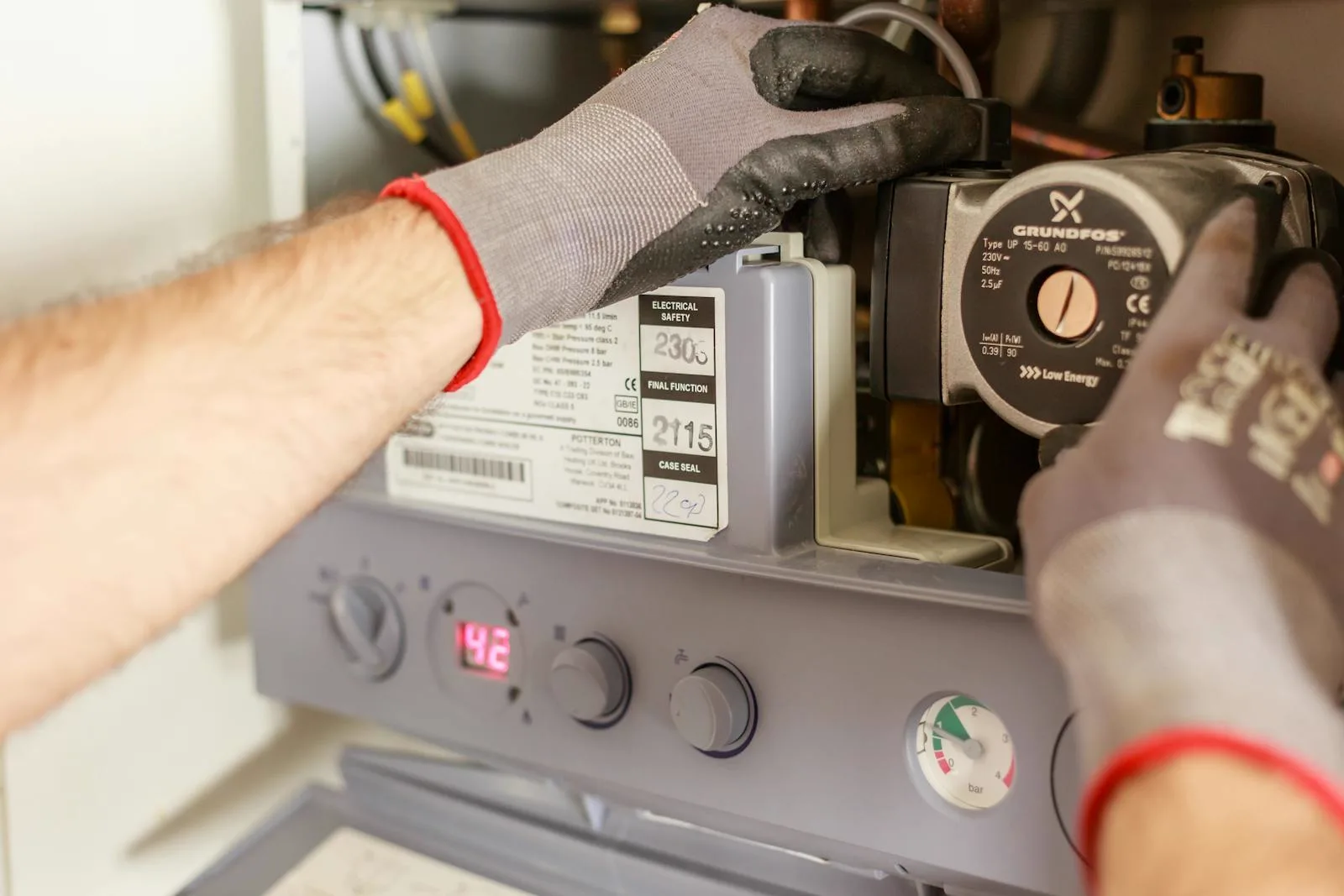
This is the bucket you have the least control over and the most certainty about. The work is legally required, the renewal cycles are fixed, and the cost barely moves year to year. The only real risk is forgetting one.
Typical annual compliance costs per rental property, 2026 (Lincolnshire)
| Requirement | Cycle | Typical cost | Annualised |
|---|---|---|---|
| Gas safety certificate (CP12) | Annual | £60 to £90 | £60 to £90 |
| EICR (electrical safety) | Every 5 years | £150 to £250 | £30 to £50 |
| Smoke and CO alarm checks | Annual / start of tenancy | £20 to £60 | £20 to £60 |
| Boiler service | Annual | £80 to £120 | £80 to £120 |
| Damp and mould inspection (Awaab's Law) | 6-monthly (good practice) | £100+ per survey | £100 to £200 |
Realistically, annual compliance lands somewhere between £300 and £500 per property per year once you average the EICR across its 5-year cycle. None of it is optional, and the penalty for missing it is severe. A missing gas safety certificate can cost you the right to evict and a fine running into thousands.
Awaab's Law changes the compliance maths
Since the Renters' Rights Act, damp and mould are no longer a 'deal with it if a tenant complains' issue. Landlords must investigate and fix reported hazards within fixed timeframes. Building a 6-monthly mould inspection into your routine is now the safe way to stay ahead of it, and it adds a recurring line to the compliance budget that did not exist a couple of years ago.
Worked example: Mark's two-bed terrace in Lincoln
Mark lets a two-bed terrace off Newark Road. His 2026 compliance year: CP12 £75, boiler service £95, alarm check £30, EICR £200 (last done 2024, so £40 annualised), and two mould inspections at £100 each. Total cash this year £500, of which £200 is the new Awaab's Law inspection cost. He diaries all of it in January so nothing slips, and keeps every certificate in one folder ready for his insurer.
Bucket 2: Reactive Repairs and Wear
The unpredictable one
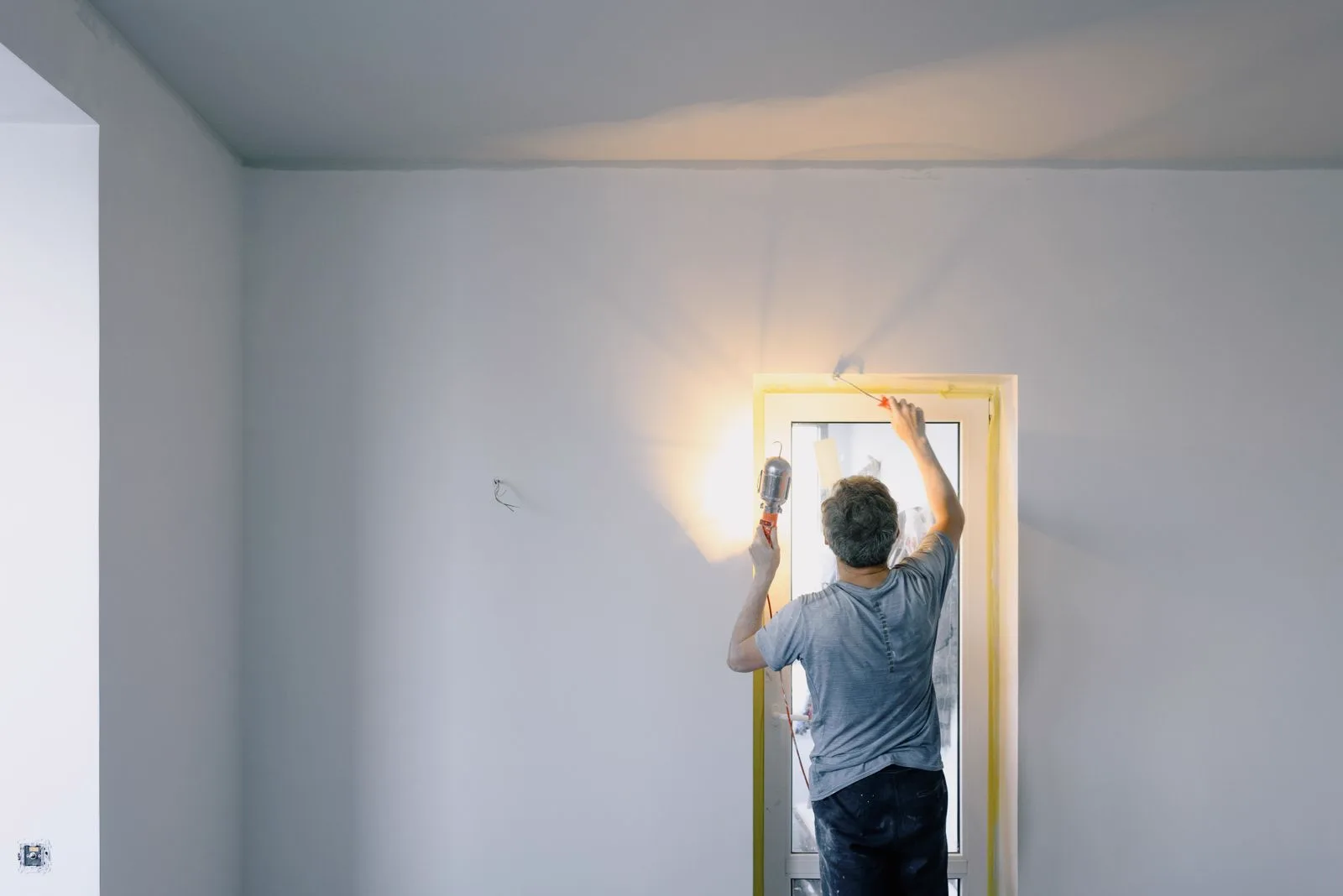
This is the bucket nobody can predict and everybody under-budgets. Boilers fail, taps drip, washing machines die, a roof tile slips in a gale. The older the property and the longer the tenancy, the more of this you get.
- A boiler repair averages £150 to £400; a full replacement £2,000 to £3,500.
- A reactive plumbing call-out (leak, blocked waste, failed valve) typically runs £80 to £250.
- Re-pointing, gutter and fascia work, and external repairs land anywhere from £150 to four figures.
- Appliance replacement (oven, fridge, washing machine) is £250 to £600 a unit if you provide them.
- General handyman jobs, the door that sticks, the cracked tile, the failed extractor, are £50 to £200 each.
Across a normal year a single average rental absorbs a few hundred pounds of reactive repairs. Across a bad year, one boiler replacement can eclipse everything else. The sensible approach is to budget a reactive float of £500 to £800 a year per property and treat anything left over as a buffer for the year the boiler goes.
The cheapest repair is the one you catch early
A £15 tube of sealant around a bath stops a £2,000 ceiling collapse two years later. Most expensive reactive jobs started as a small, visible problem that nobody acted on. A regular set of eyes on the property, even just during the gas service, pays for itself.
Bucket 3: Void Turnaround Costs
Every time a tenant leaves, the property needs resetting to a lettable standard. This bucket is predictable in cost but not in timing, and it is where a lot of landlords quietly lose money through void weeks as much as through the works themselves.
Typical void turnaround costs, Lincoln 2026
| Job | Typical cost | Notes |
|---|---|---|
| End of tenancy clean | £200 to £450 | Scaled by property size and condition |
| Redecoration (touch-up to full) | £250 to £1,200 | A neutral repaint is the most common spend |
| Carpet clean or replacement | £75 to £1,000+ | Clean if salvageable, replace if not |
| Reactive repairs found at check-out | £0 to £500 | The list the outgoing tenant left behind |
| Garden tidy | £60 to £200 | If the tenant let it go |
A light void where the tenant left the place in good order might be a £350 clean and a touch-up. A heavy one, full repaint, new carpets, a deep clean and a repair list, can run past £2,000. Across a portfolio the average lands around £600 to £900 per turnover, plus the rent you lose while the property sits empty.
Worked example: Priya's void in Washingborough
Priya's three-bed in Washingborough turned over in April. Tenant of four years, generally tidy. The reset: end of tenancy clean £350, neutral repaint throughout £750, carpet clean rather than replace £140, and a £90 list of small repairs (two door handles, a loose toilet seat, a failed extractor fan). Total £1,330, turned around in four working days so she lost only one week of rent. Because she used one contractor for all of it, she had a single invoice and a photo set for her records.
Putting It Together: The Real Annual Number
Stack the three buckets and you get a realistic annual maintenance budget. For an average Lincolnshire rental in reasonable condition, 2026 looks roughly like this:
Annual budget, average rental
What a Typical Year Costs
Compliance
Gas, electrical, alarms, boiler service, mould inspections. Predictable and non-negotiable.
Reactive float
Repairs and wear. Some years you spend little; the boiler year you spend it all.
Void (per turnover)
Clean, repaint, repairs. Not every year, but average it across the tenancy length.
The 1 percent of property value rule of thumb gets you to roughly the same place and is a fine starting point. The key insight is not the exact figure, it is that two of the three buckets are predictable. You can take most of the surprise out of rental maintenance if you plan for compliance and voids, and only the reactive bucket is left to chance.
How to Make the Number Predictable
From surprise to plan

The landlords who never get caught out do the same thing: they convert the predictable buckets into a fixed, planned cost and use one contractor so nothing falls through the gaps. There are a few ways to do that.
- 1Diary every compliance date for the year in January, and book the gas service, EICR and mould inspections in advance rather than reactively.
- 2Use one contractor across cleaning, repairs, decorating and compliance, so you get one invoice, one point of contact, and a consistent photo record for your files.
- 3Set aside a monthly reactive float per property rather than absorbing big repairs as one-off shocks.
- 4Keep before-and-after photos on every job. They protect your deposit position and give you an audit trail for Awaab's Law and your insurer.
Key takeaway
Turning maintenance into one monthly cost
This is exactly why we built the LWR Group Landlord Care membership. One monthly fee covers your annual compliance (gas, EICR, alarms, boiler service and the 6-monthly mould inspection), gives you 30 percent off labour on everything else, and puts a maintenance portal between you and your tenants so the phone stops ringing. It turns two of the three buckets into a single predictable line and brings the third down with member rates. For most landlords the compliance pack alone is worth more than the fee.
See the Landlord Care membershipWhether you join a plan or not, the principle is the same. Rental maintenance is only unpredictable if you treat all of it as reactive. Plan the two buckets you can plan, keep a float for the one you cannot, and use one team so the small stuff gets caught before it becomes the expensive stuff.
LWR Group
Property Services · Lincoln & Lincolnshire